









Solid waste management
Chandrapur,
District Rautahat
Implemented by: Chay Ya Nepal,
Chandrapur Municipality
Chay Ya Tirol,
Chay Ya Austria,
Land Tirol,
Land Vorarlberg,
Karl Zünd Stiftung,
HIL Foundation,
Crossing Borders,
Alpla,
NIDISI
2023 - 2027
initially 500 households (up to 1,500 in Phase III)
Ongoing
With rapid urbanization in Nepal—especially in the densely populated Terai region, where more than half of Nepal’s population lives—the amount of waste is also steadily increasing. In cities such as Chandrapur, home to around 72,000 people, there is currently no sustainable solution for waste disposal. The majority of non-organic waste is being disposed of in an uncontrolled manner – burned, buried, or dumped into waterways – with serious consequences for health (e.g., diseases such as cholera, diarrhea, or typhoid), the environment (e.g., aggressive and toxic substances), and the climate (e.g., CO2 emissions).
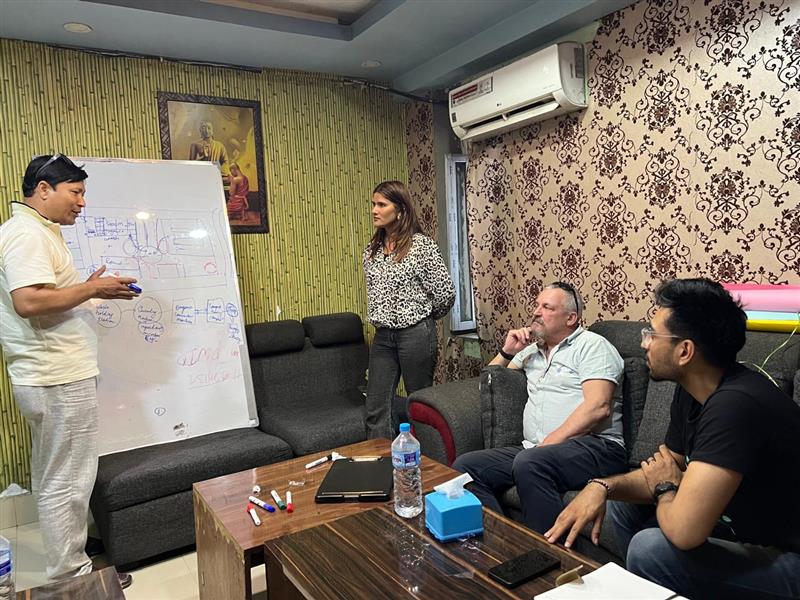
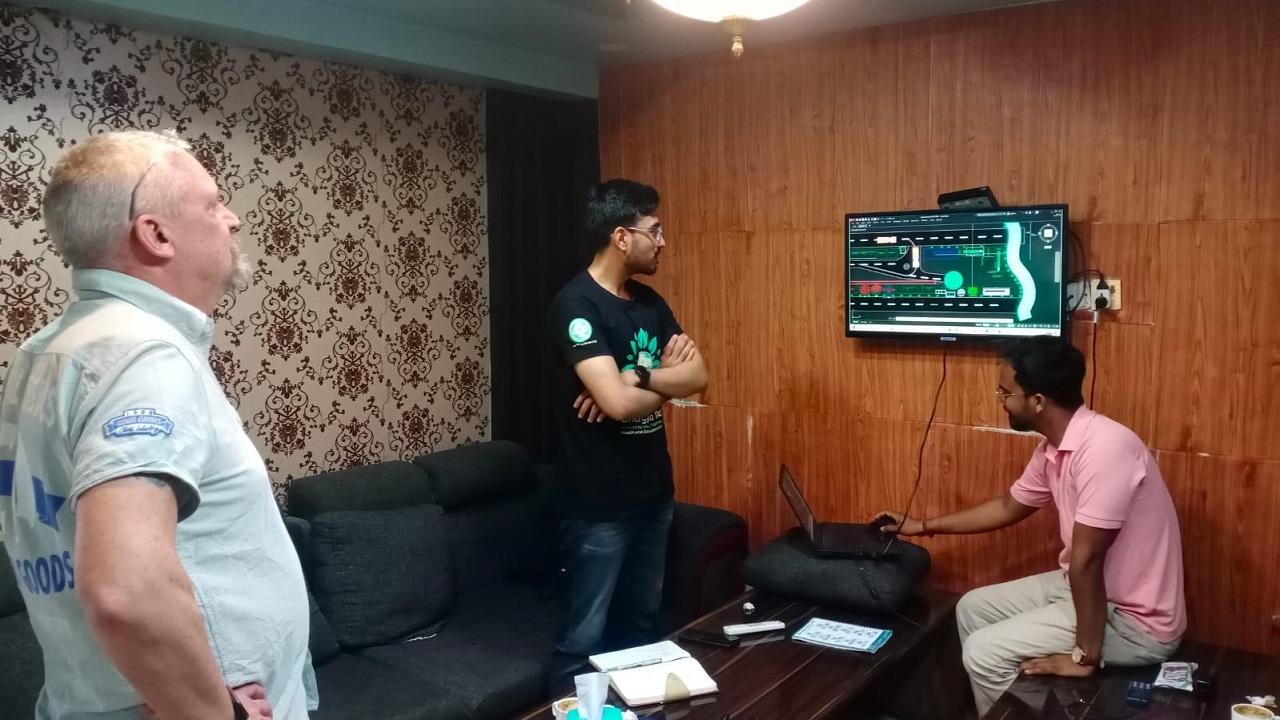
This is precisely where our joint waste management program, developed by Chay Ya in close cooperation with Chandrapur municipality and expert partner NIDISI, comes in. The aim is not the economic recycling of waste, but a long-term, functioning socio-ecological system that protects the health of the population, preserves the environment, and improves quality of life.
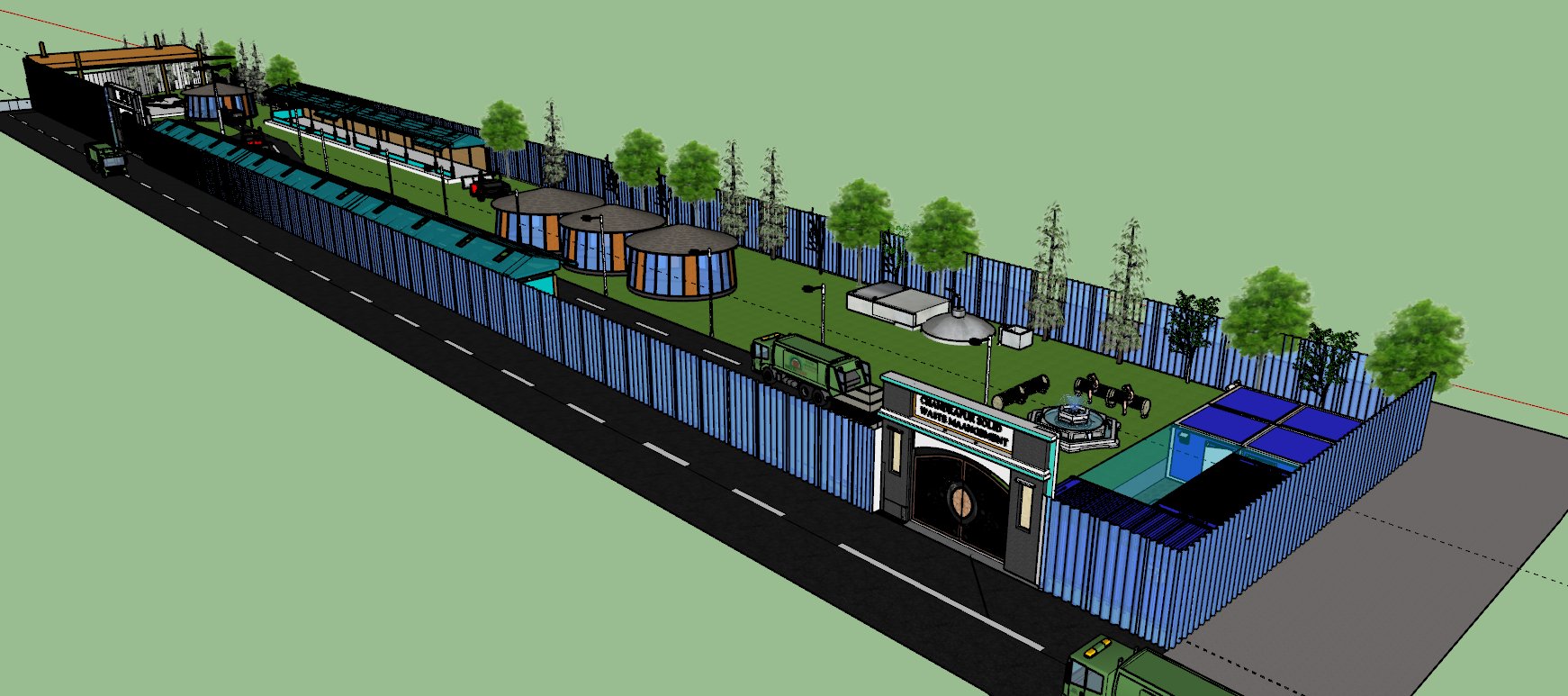
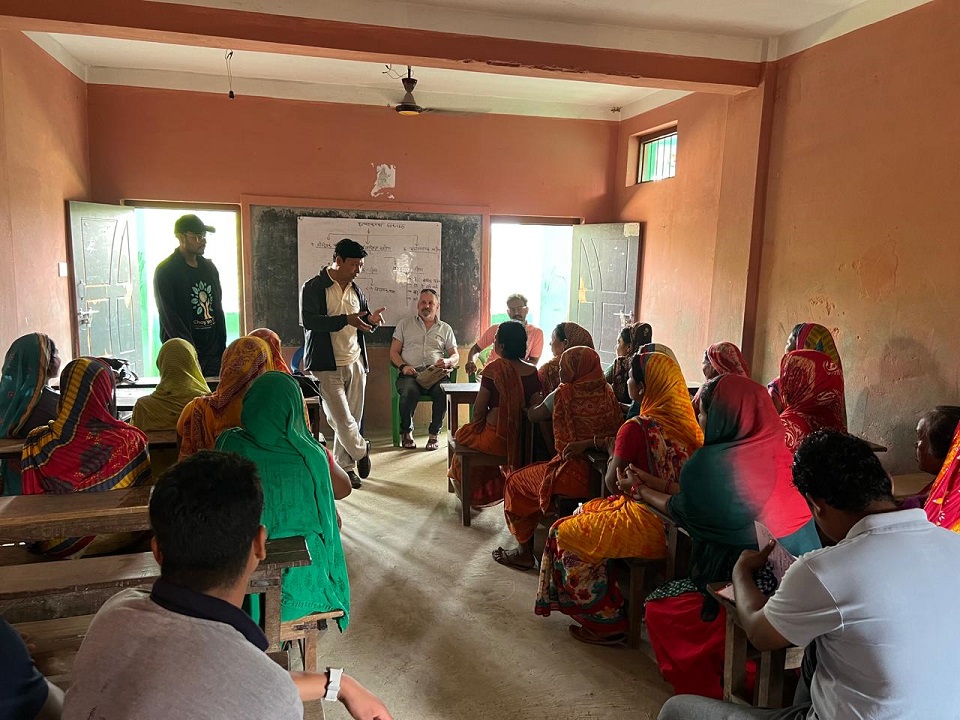
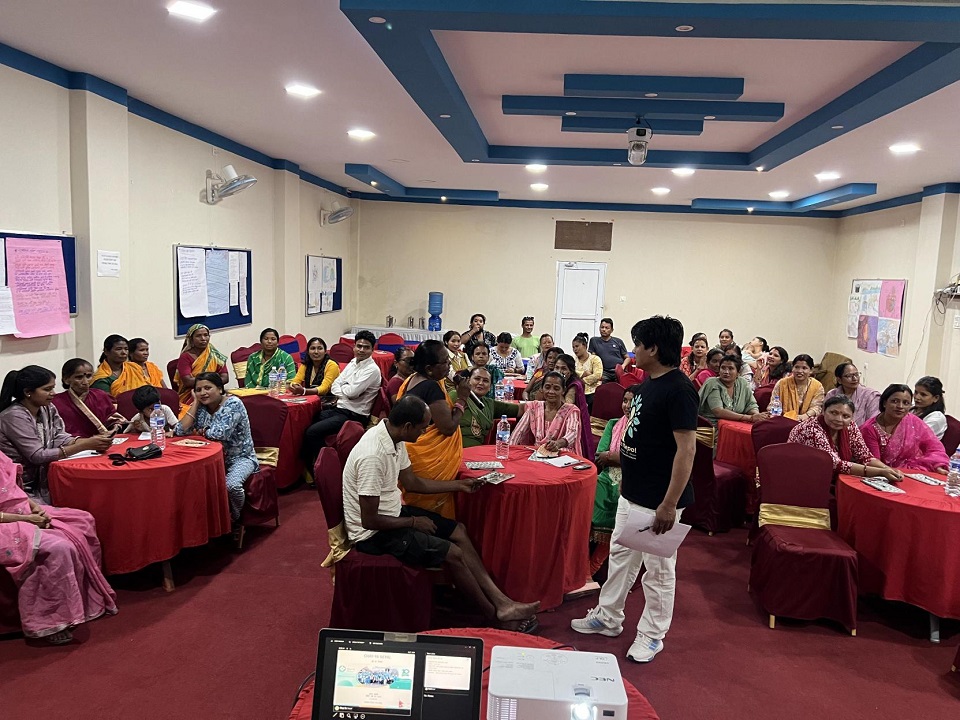
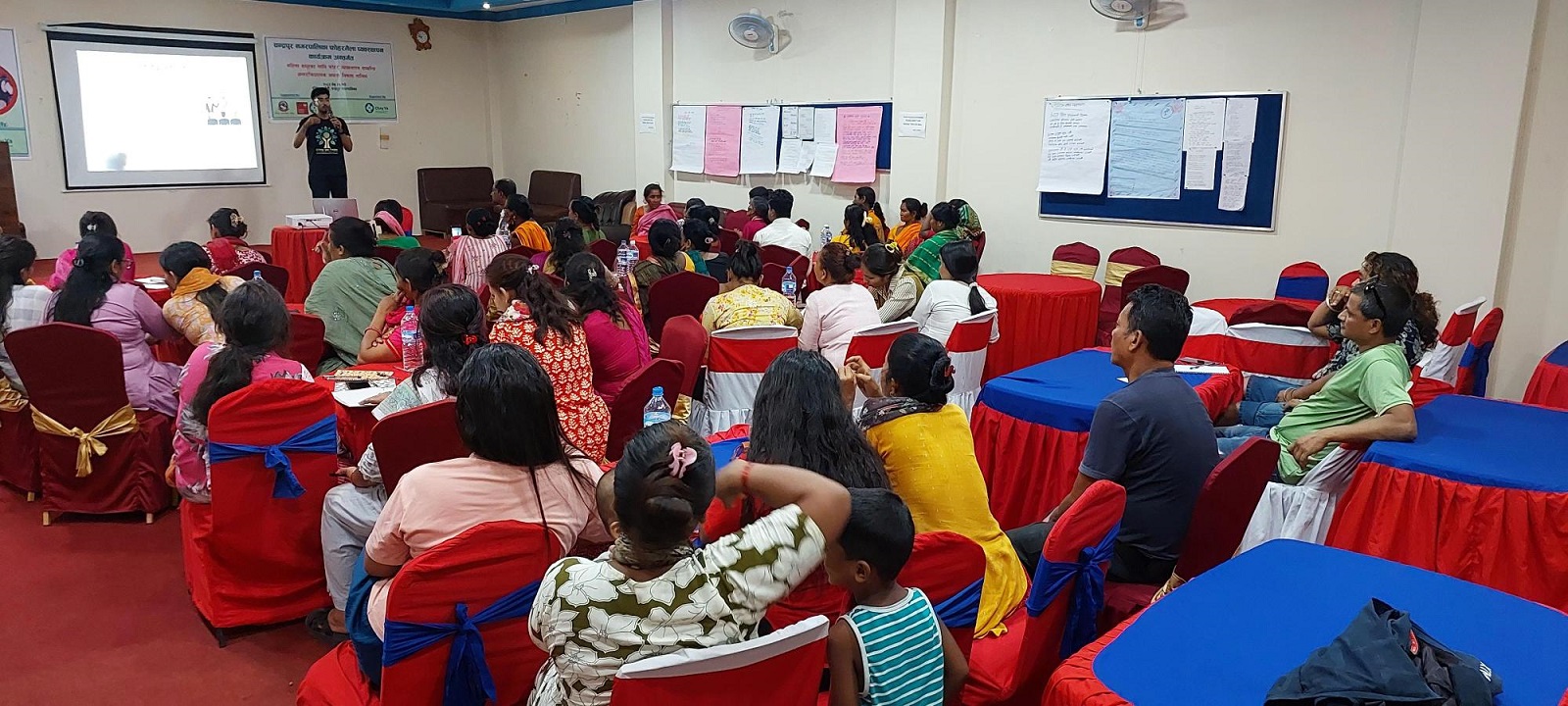
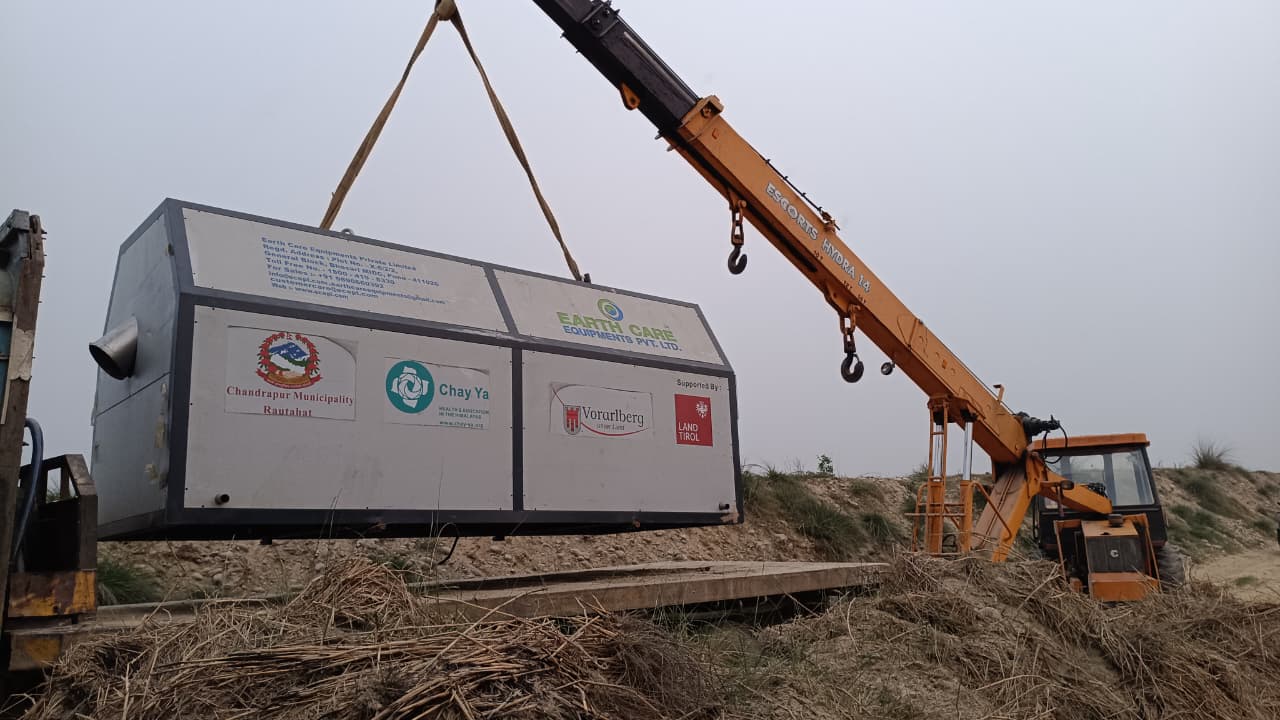
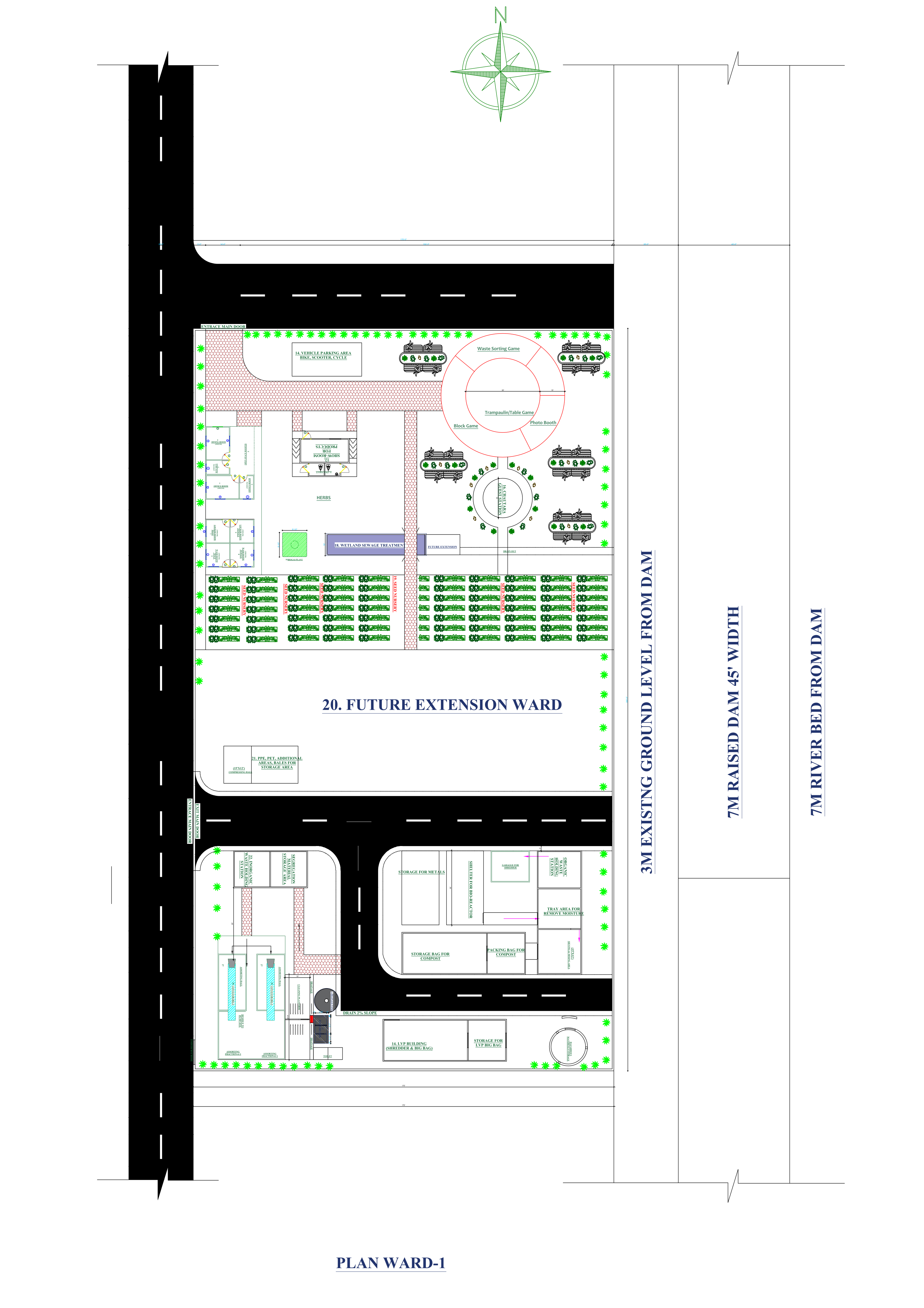
The project will be launched in several phases – three are currently planned. First, a modern waste treatment plant for 500 households will be built, which will later be expanded to accommodate up to 1,500 households. This includes sorting stations, composting of organic waste, and recycling of plastics (which can then be resold as new products). At the same time, comprehensive education and awareness-raising measures are being implemented in schools, neighborhoods, and the general public. The aim is to raise awareness of waste prevention and actively involve the population.
The municipality of Chandrapur is involved as a long-term partner: it provides the site, infrastructure such as electricity and water, staff and vehicles, and is gradually taking over the operation of the facility. It is also contributing financially to the implementation, together with the government.
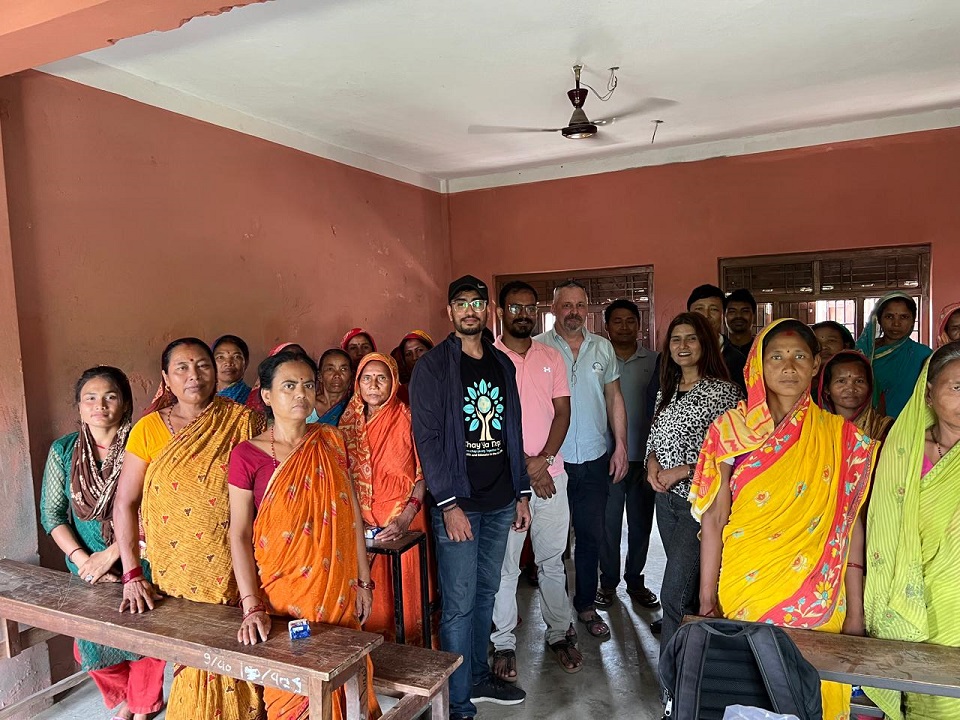
The social component is particularly important to us: disadvantaged population groups are specifically recruited as employees, trained as “waste officers” or consultants, and integrated into the project. Young people, especially women, gain new career prospects through training and will later promote the project as experts.
In the long term, the facility will not only handle Chandrapur’s waste, but also serve as a training center and model project for the whole of Nepal – including modern technologies such as an environmentally friendly waste incineration plant with heat recovery. With this holistic approach, we want to work with the local population to bring about sustainable change – towards a clean, healthy, and livable Chandrapur.
March 2024
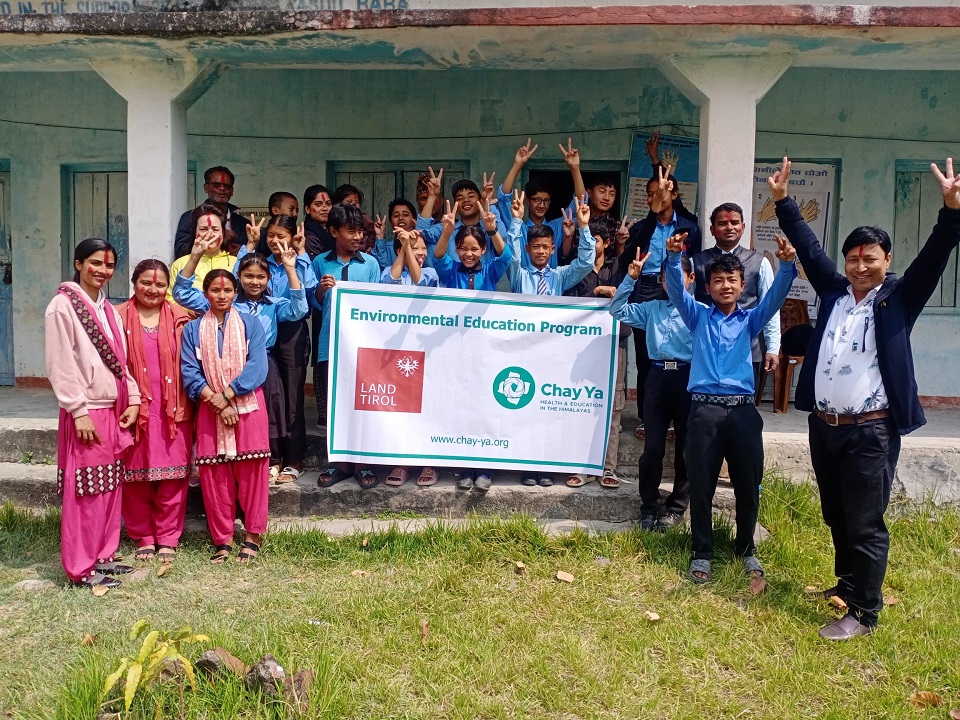
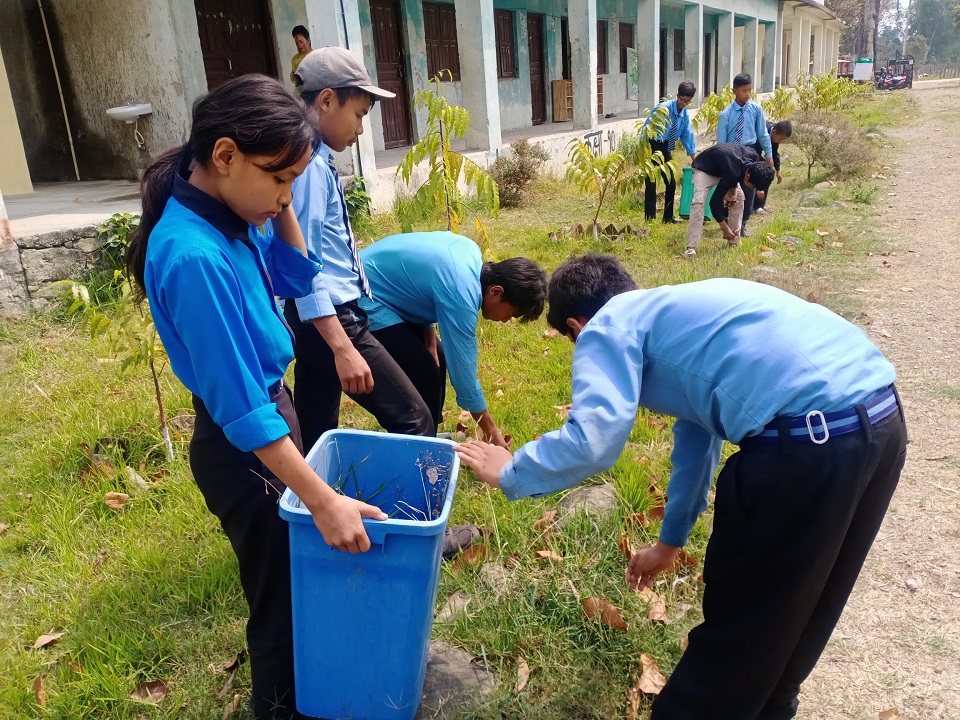
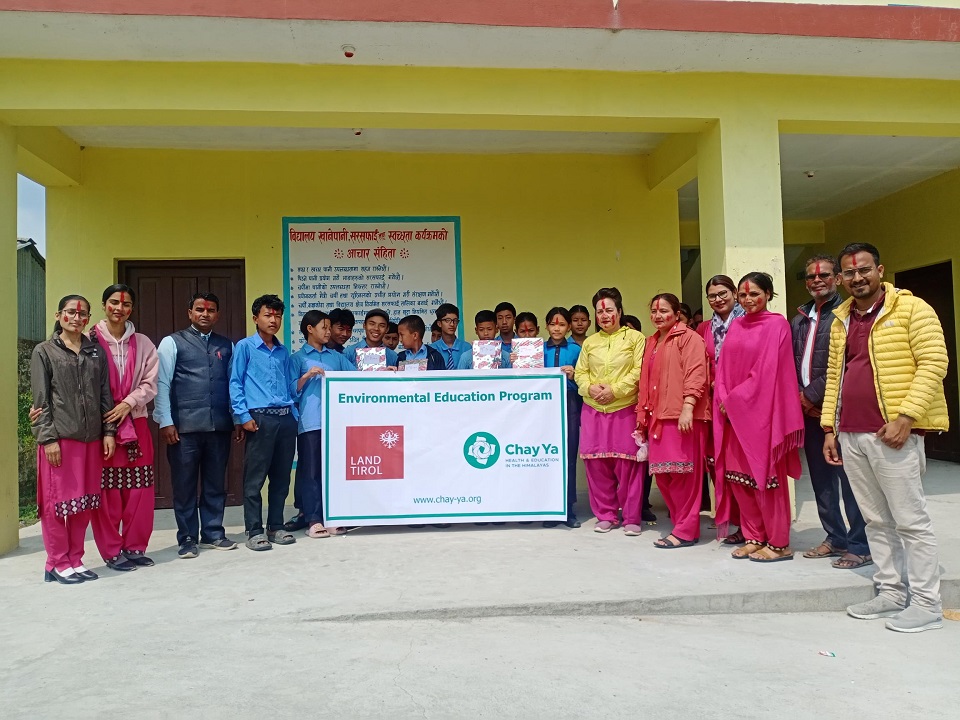
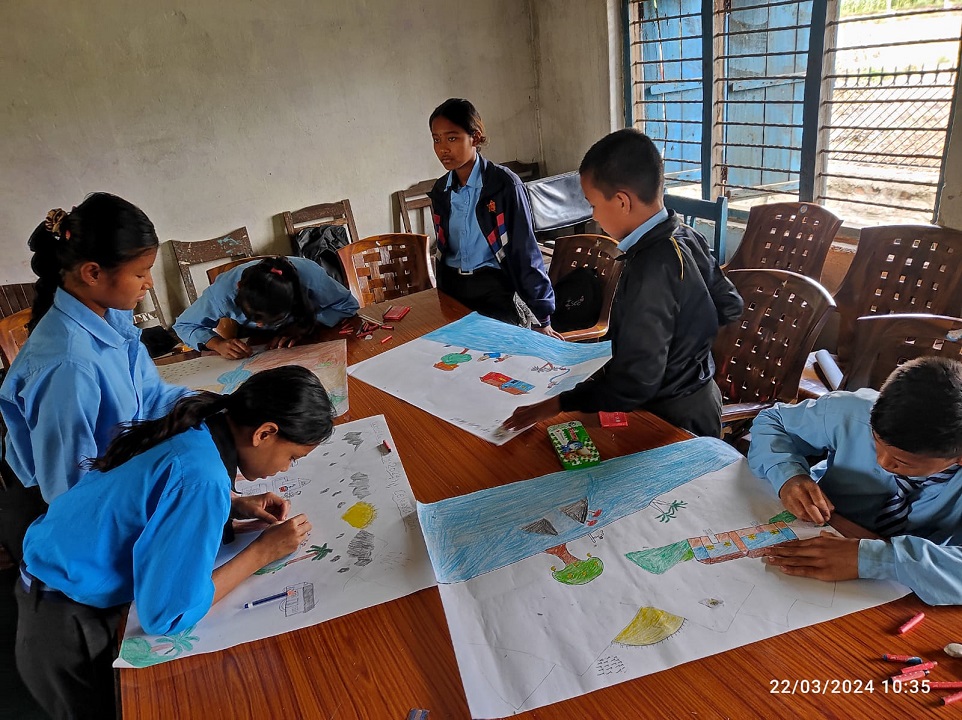
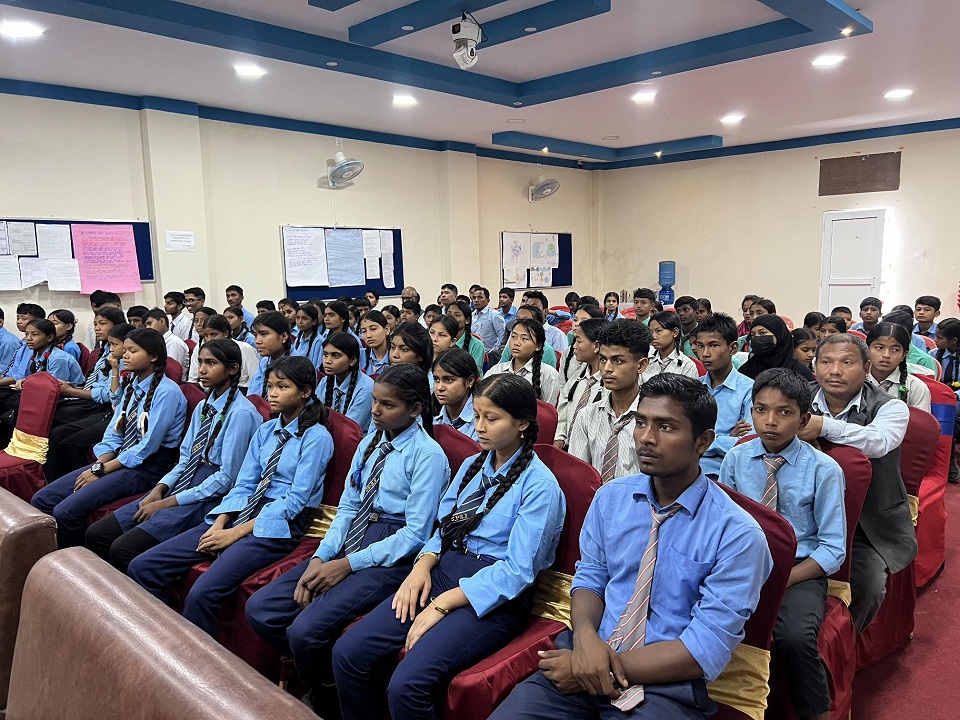
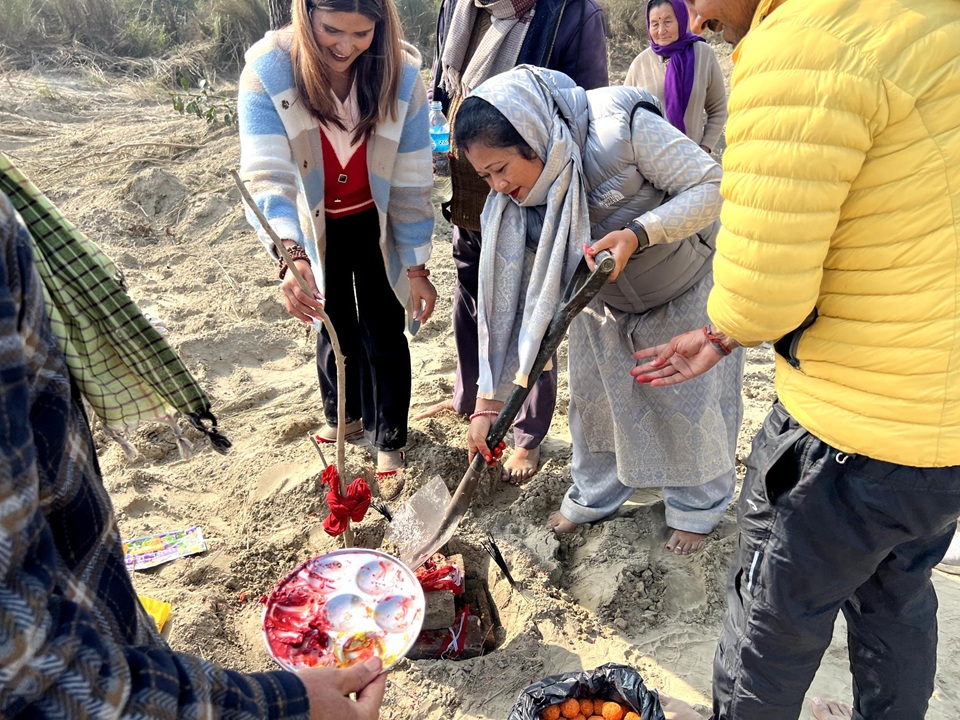
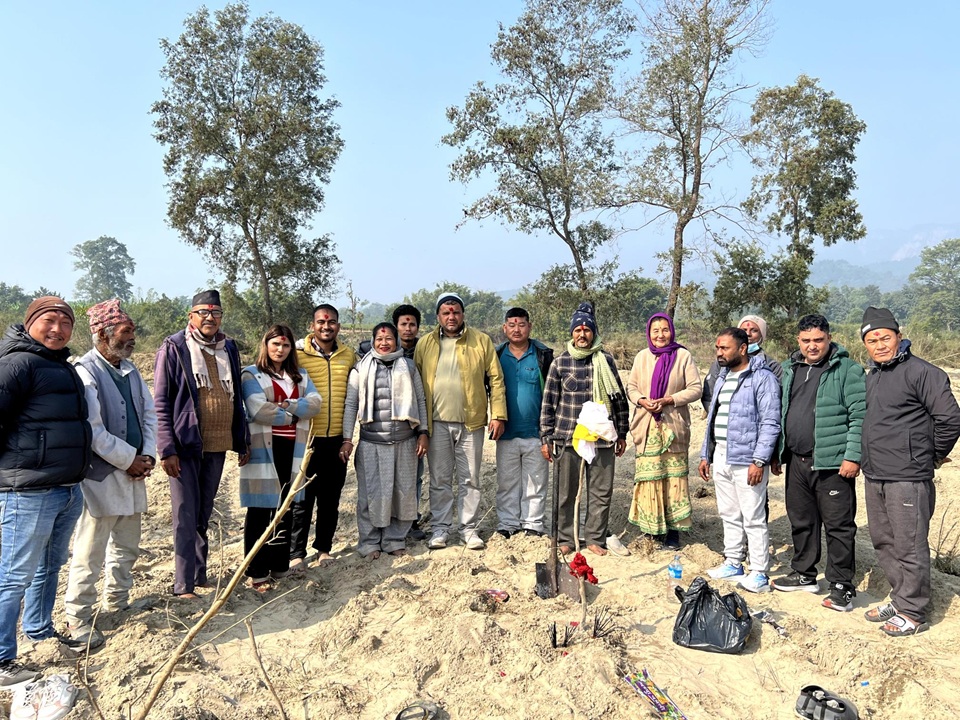
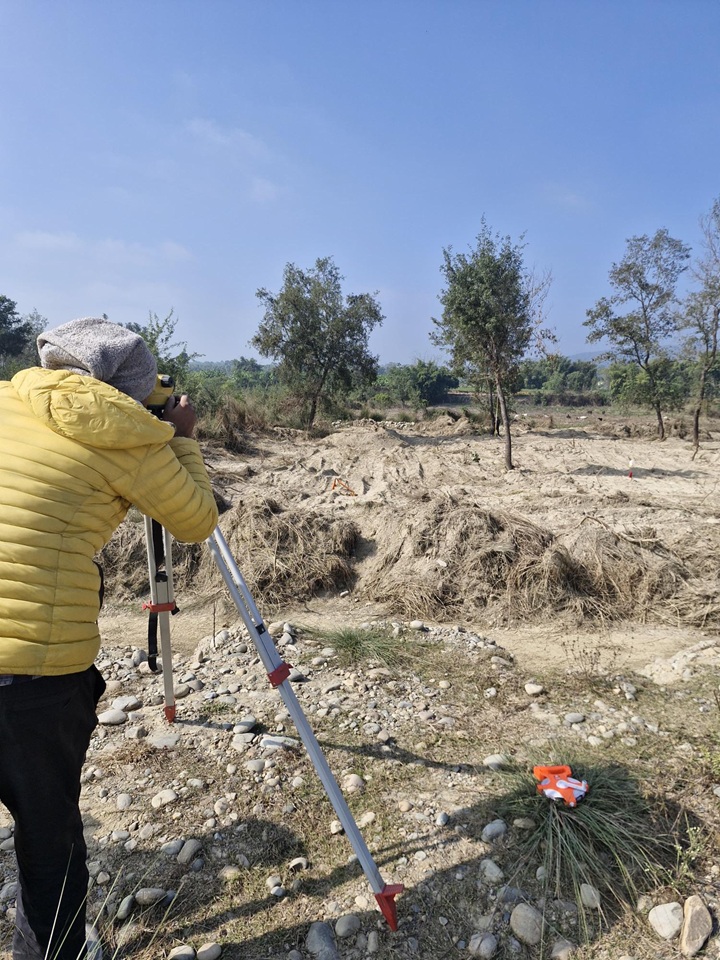
Following discussions with local politicians and land inspections in 2023, there is now an office on site, the necessary contracts have been signed and the first school eco-clubs have been founded. A painting competition was held just in time for World Water Day and the education program was officially launched. The aim is to give pupils their first insights into recycling and waste recovery and raise their environmental awareness.
March 2026
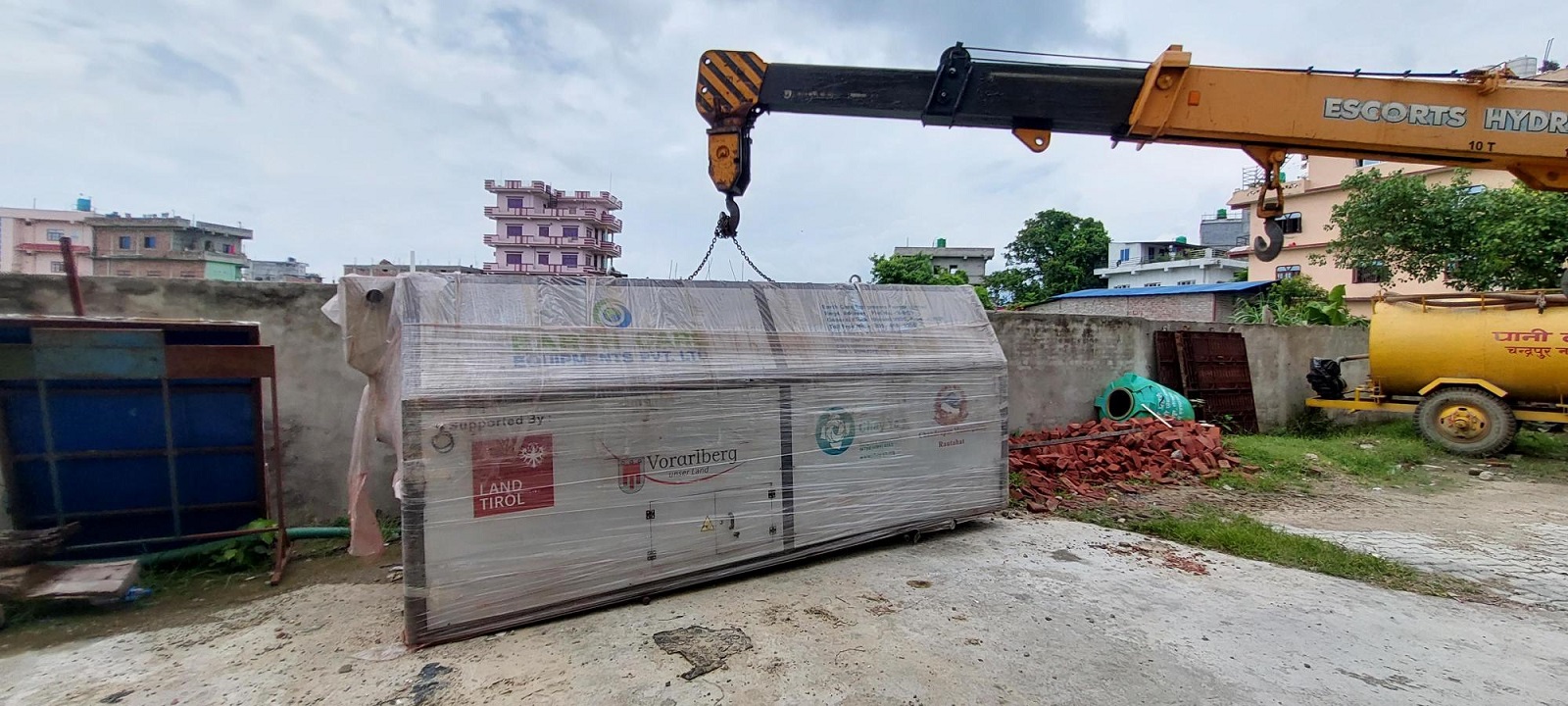
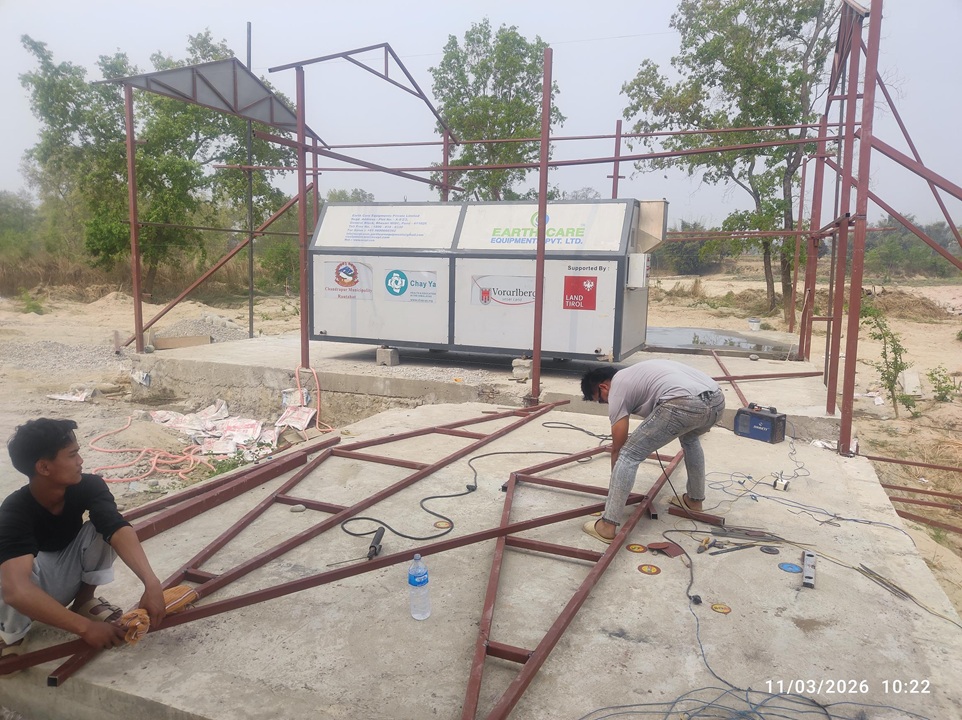
During the September 2025 protests, the waste shredder located in a government building in Chandrapur was damaged, requiring repair/replacement of the control panel and motor. Construction activities were also temporarily halted following concerns raised by neighboring property owners regarding the project site.
Although the court ruled in favor of the project, the local implementation team decided to relocate the construction site to maintain community harmony. A more suitable plot of land was identified, and the project was relocated to the new site. Additional machinery required for the facility was also sourced and ordered to support the continuation of construction activities.
July 2026
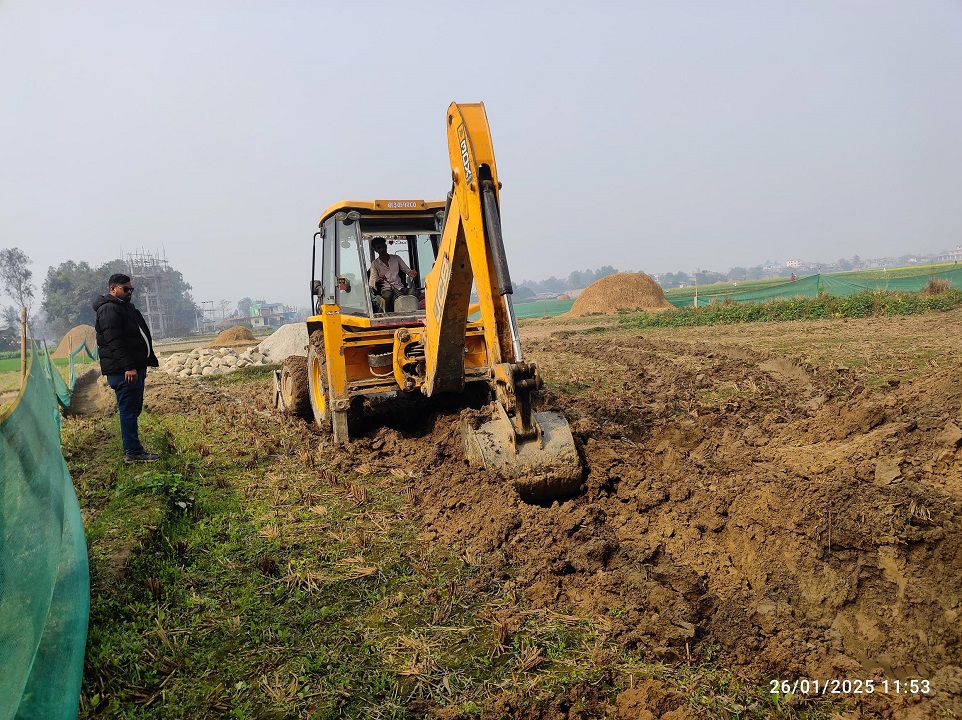
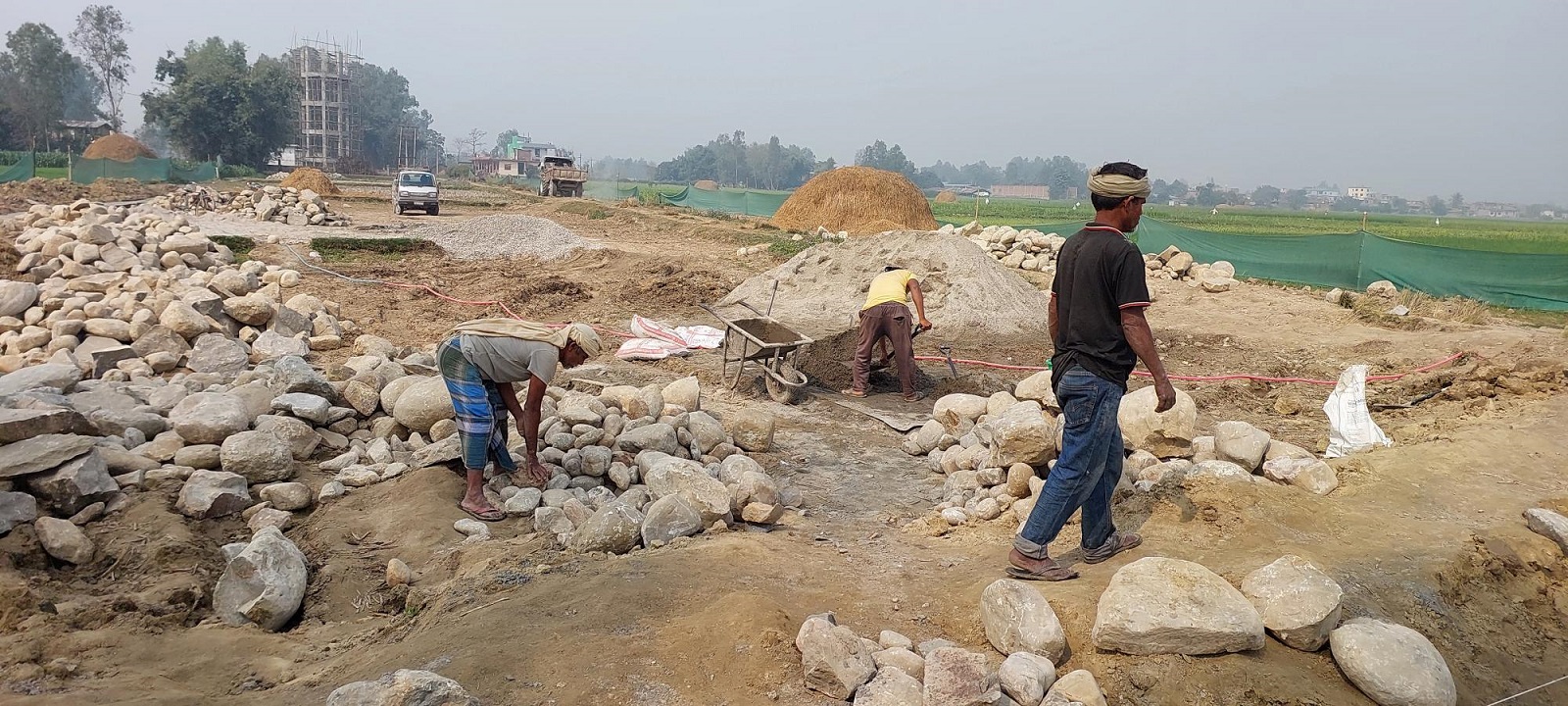
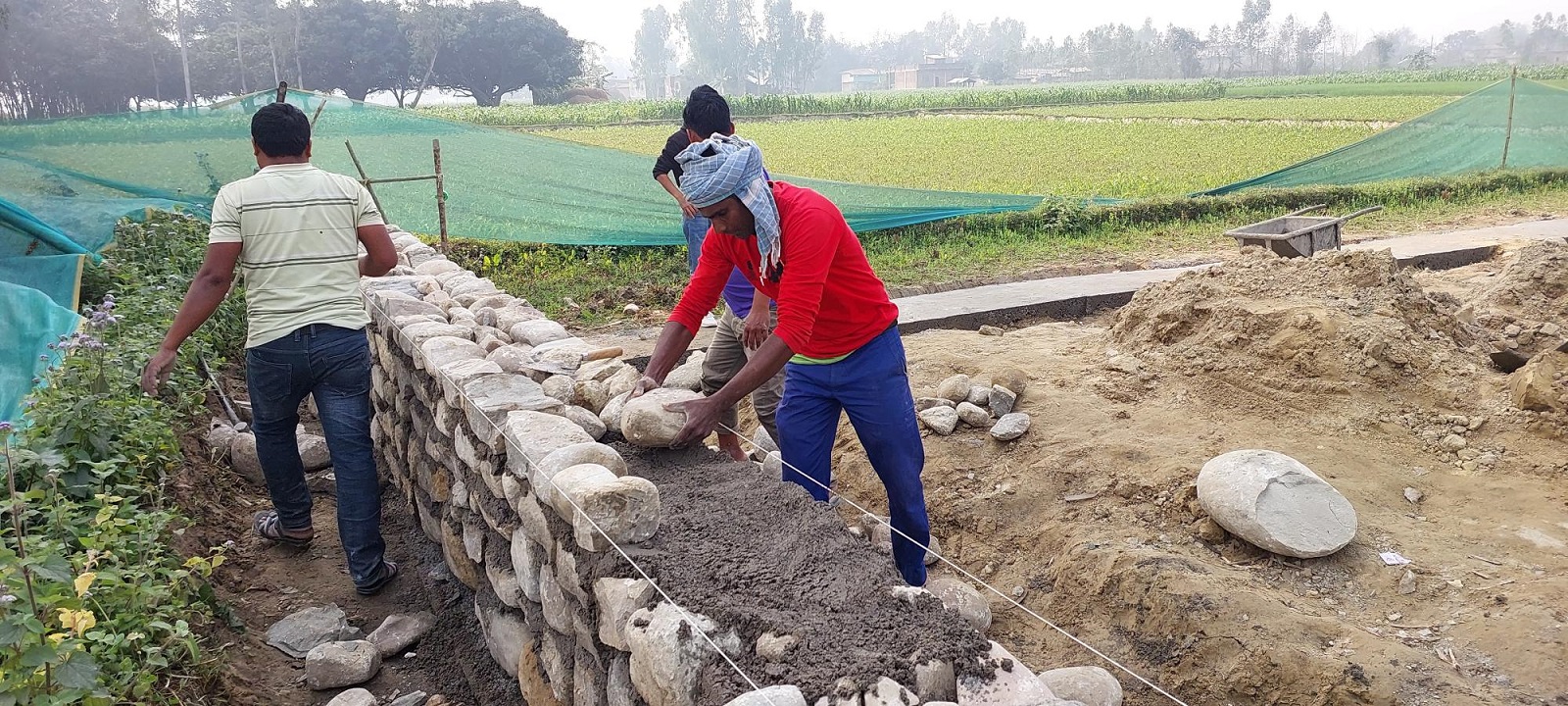
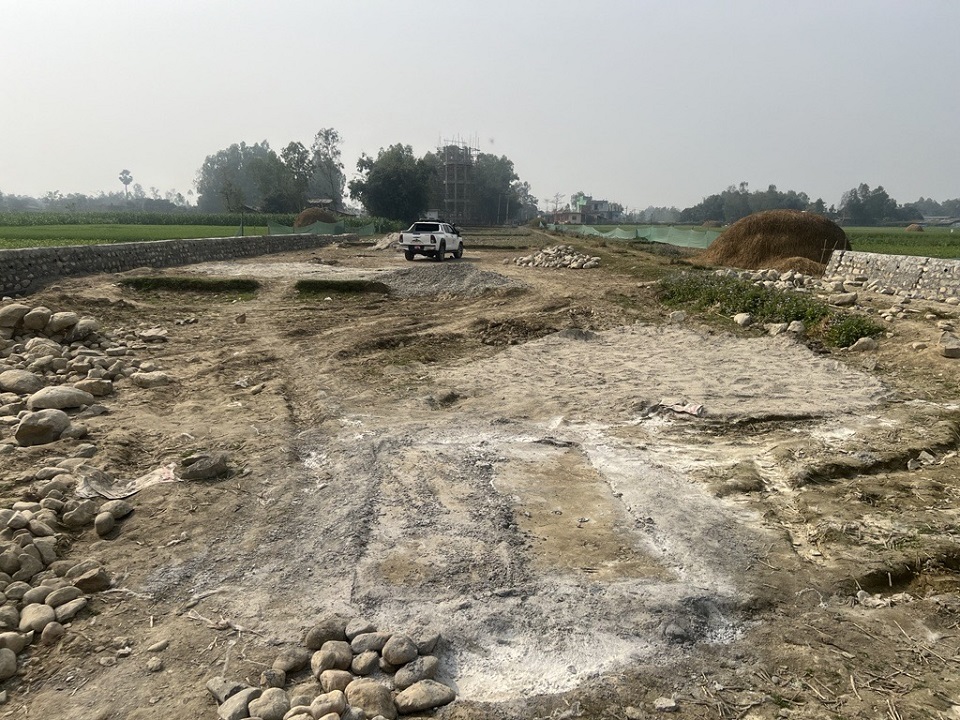
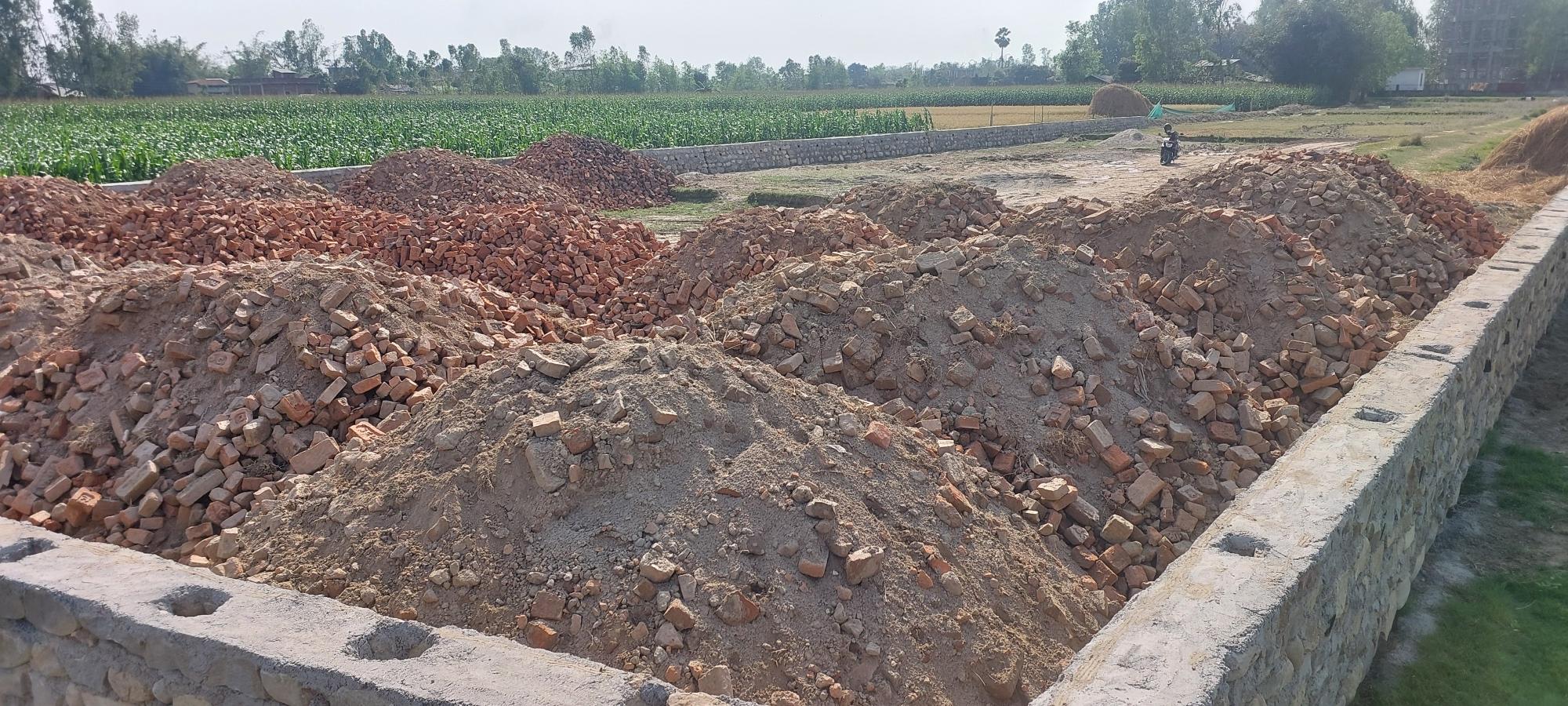
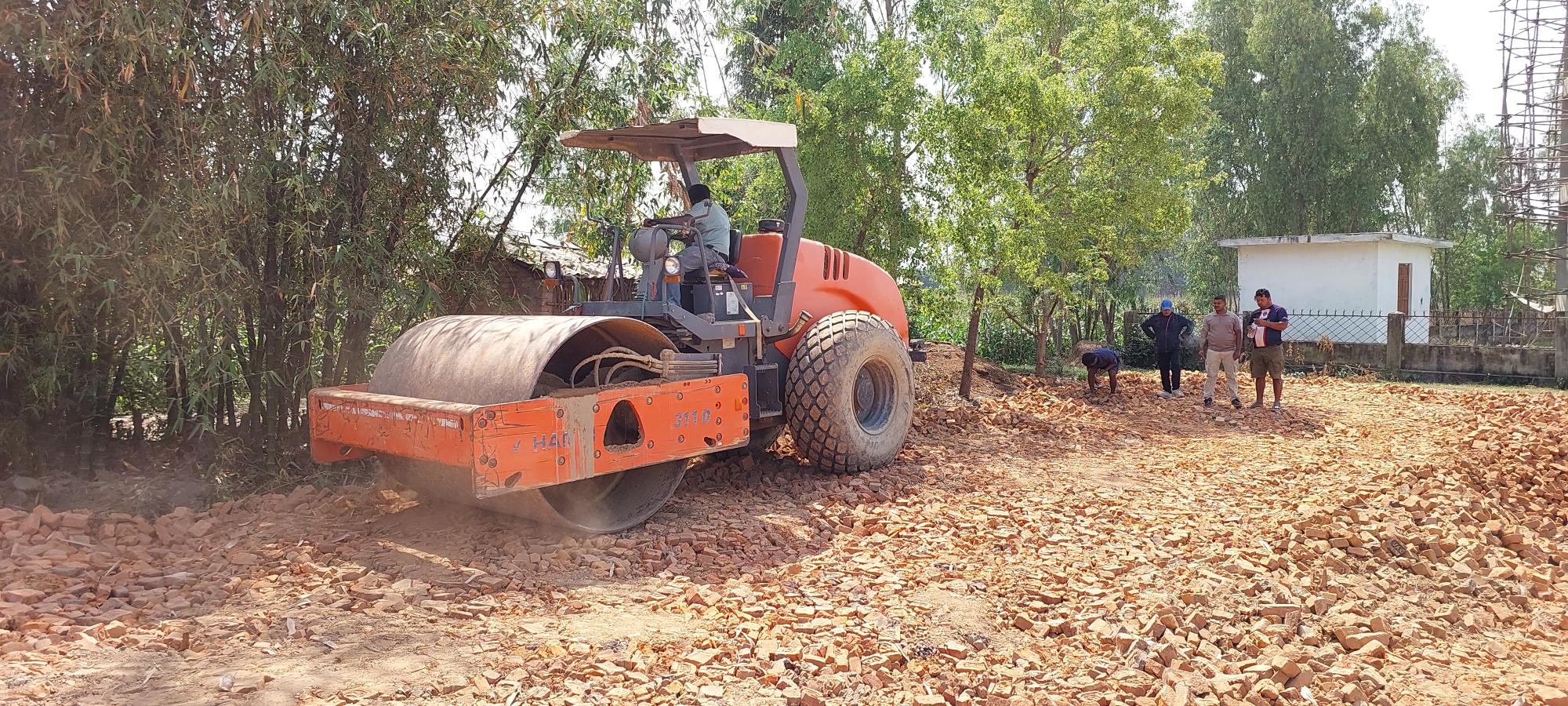
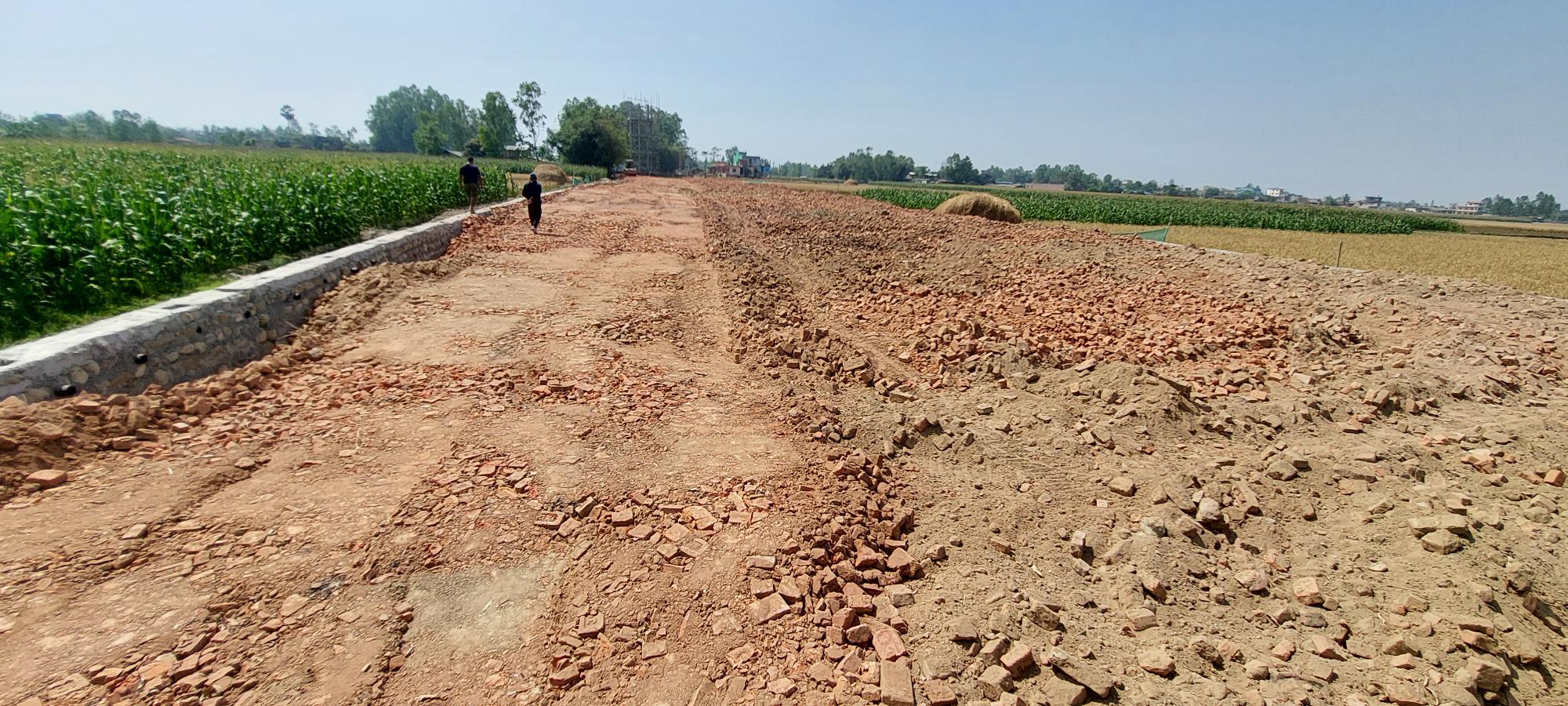
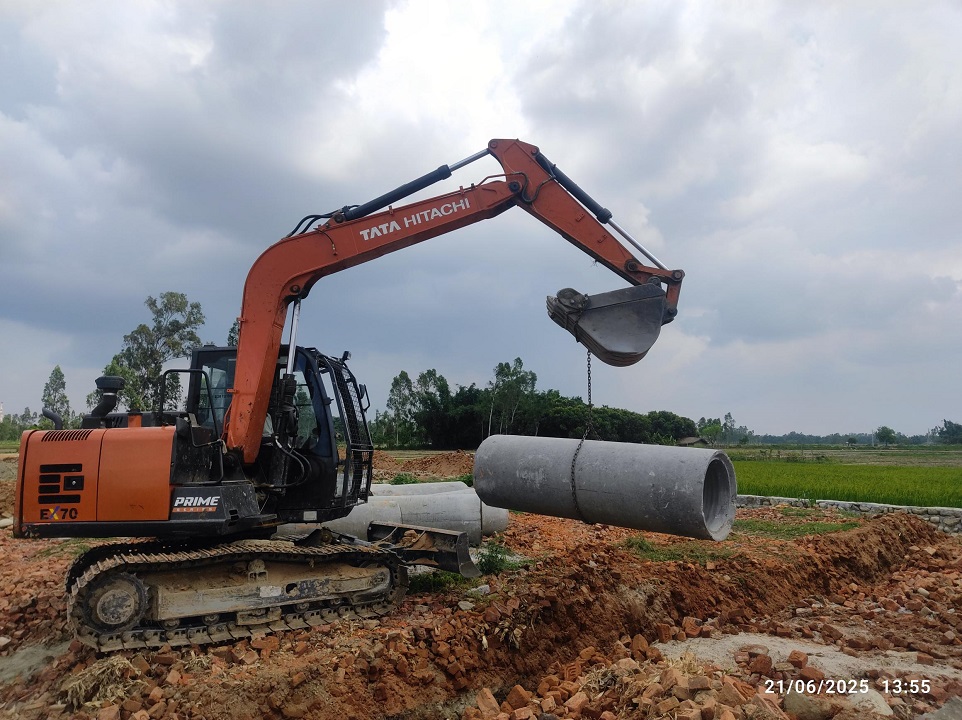
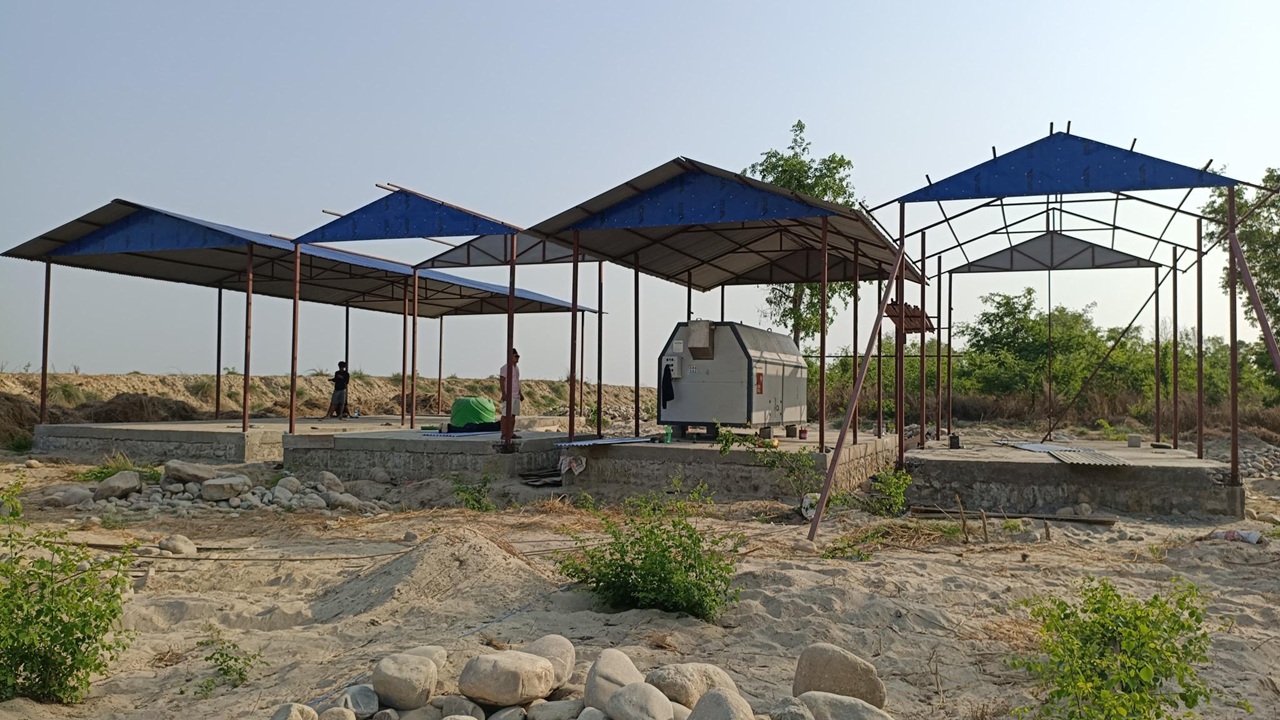
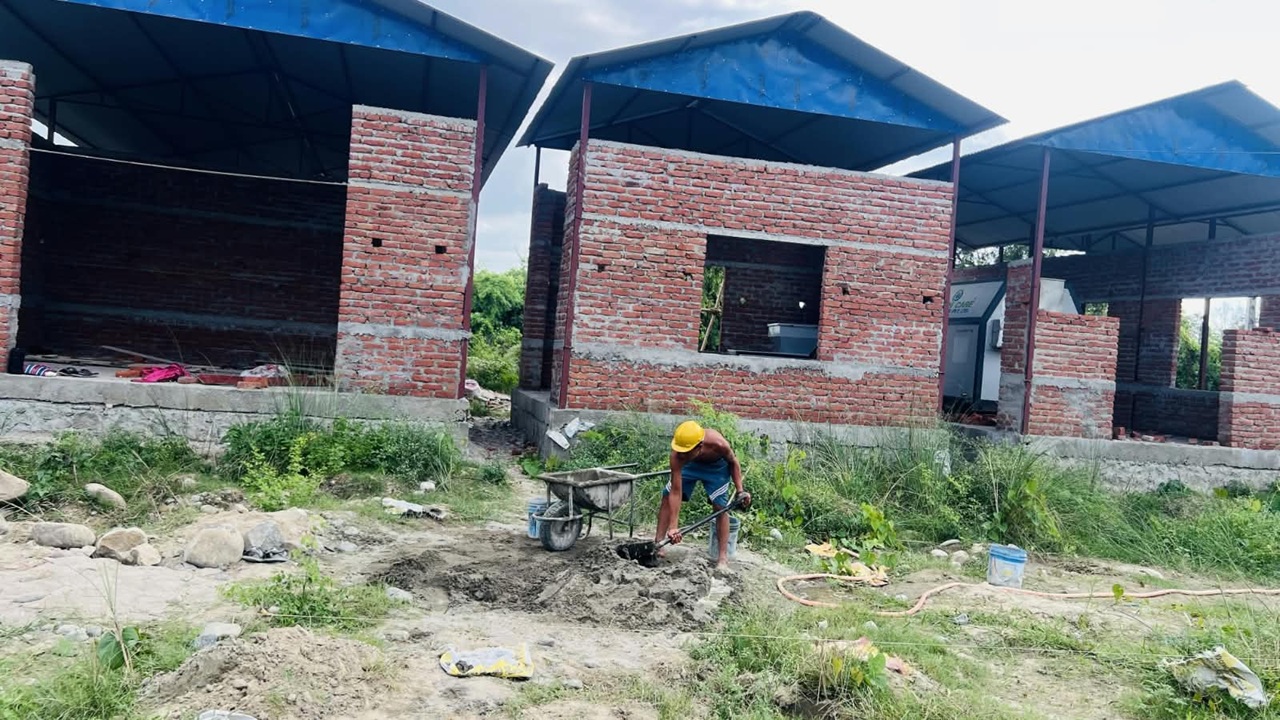
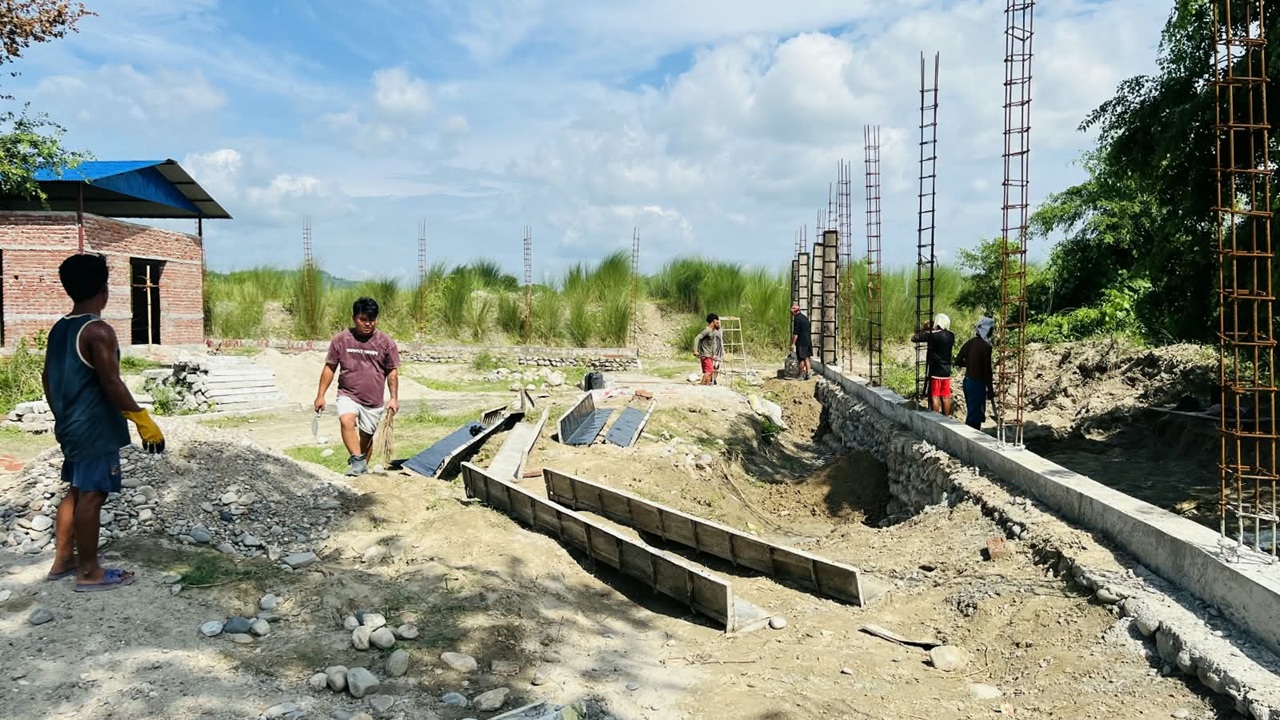
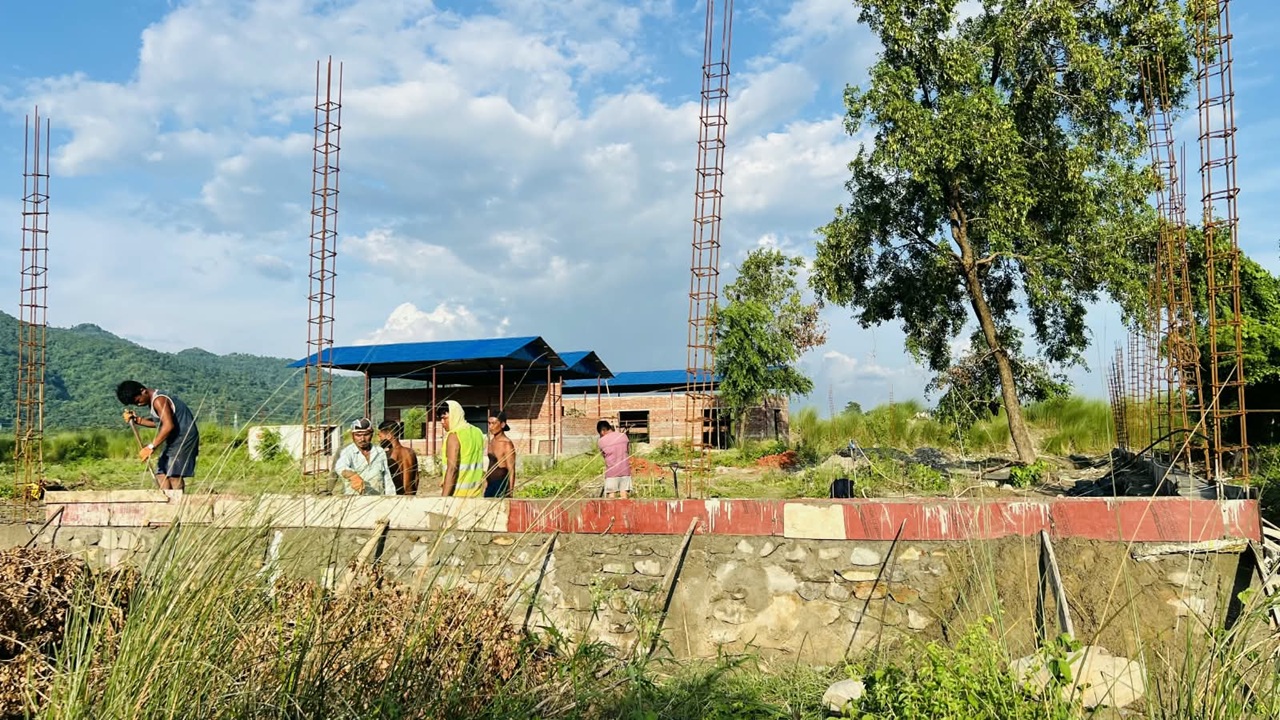
In the meantime, the western access road has been completed, and the project site has been leveled using an excavator provided by the municipality. Construction work on the various facilities of the Center is also progressing: masonry work for the bioreactor, shredder, organic waste holding station, as well as the storage and sieving shed has been completed.
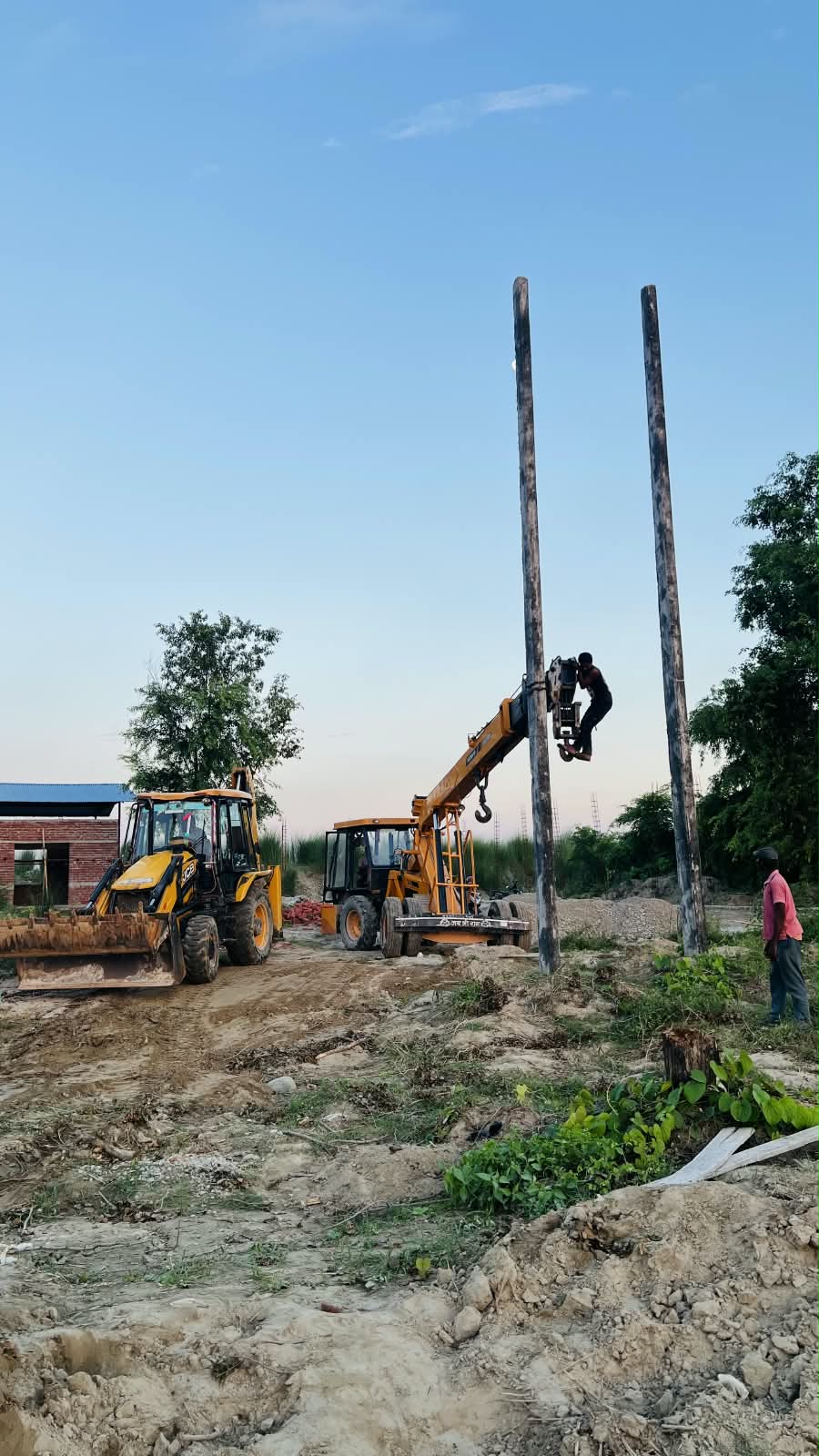
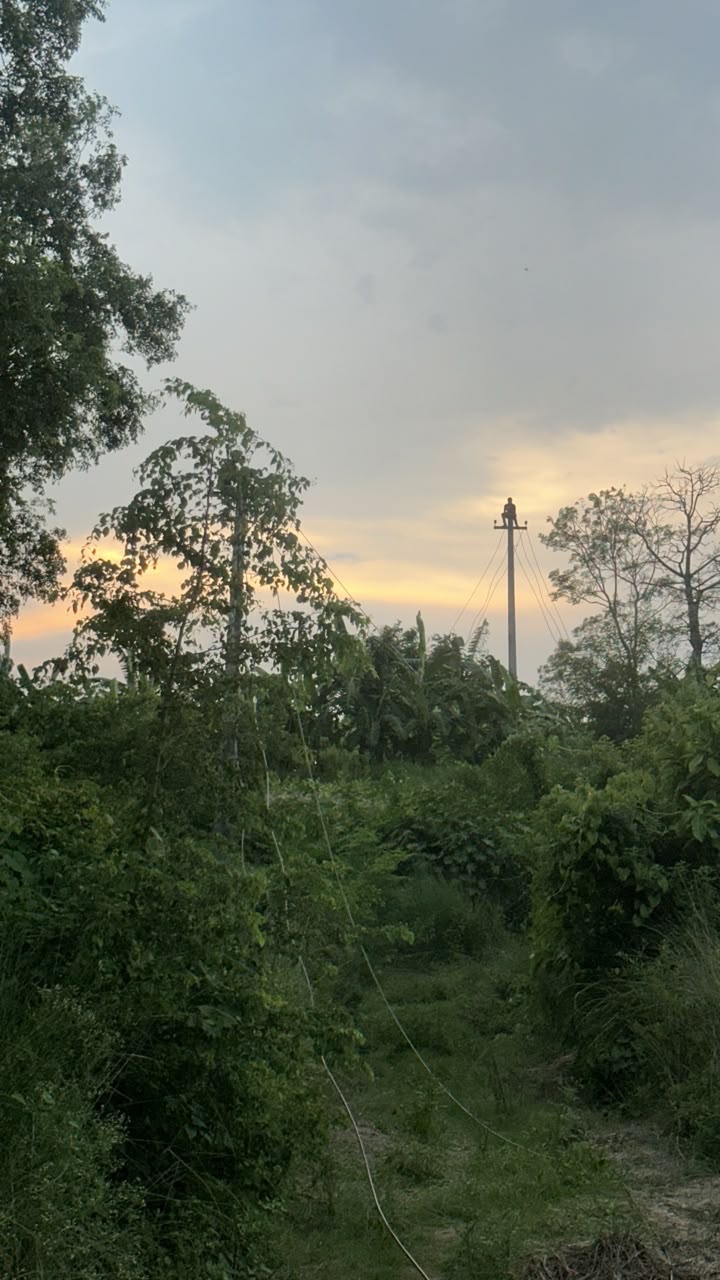
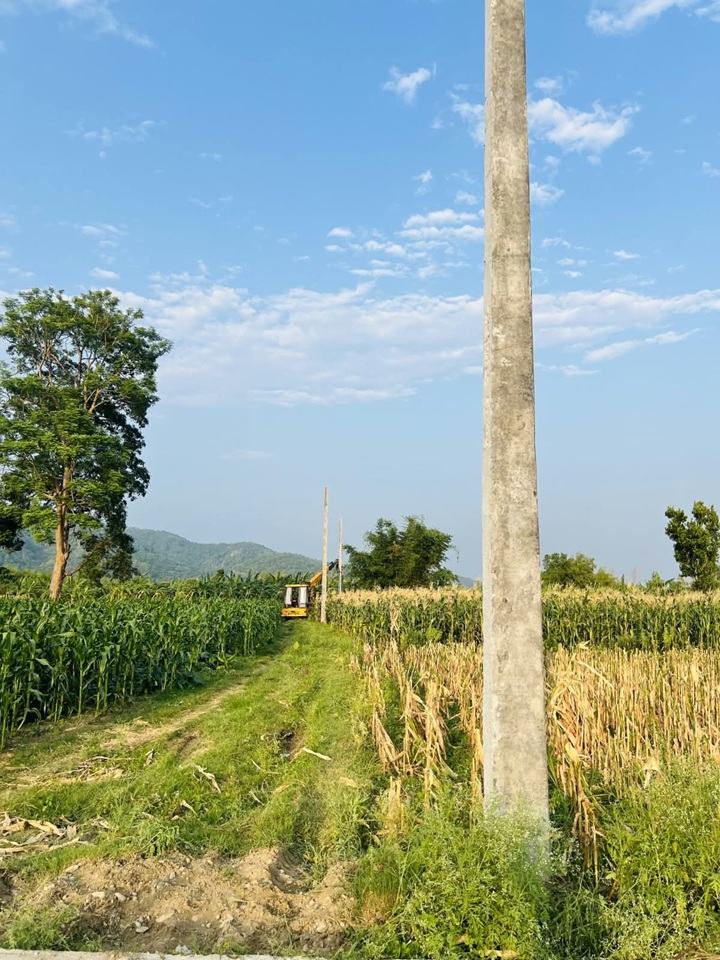
The project site has also been connected to the water supply and the local electricity grid. A total of 16 electricity poles have been successfully installed for the planned three-phase power supply.
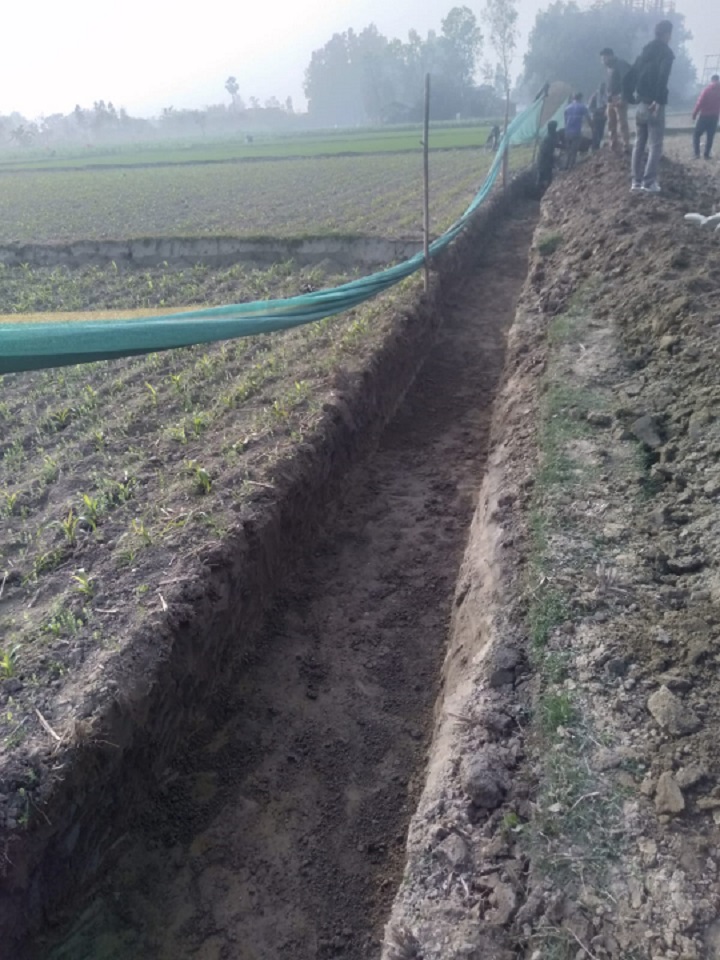
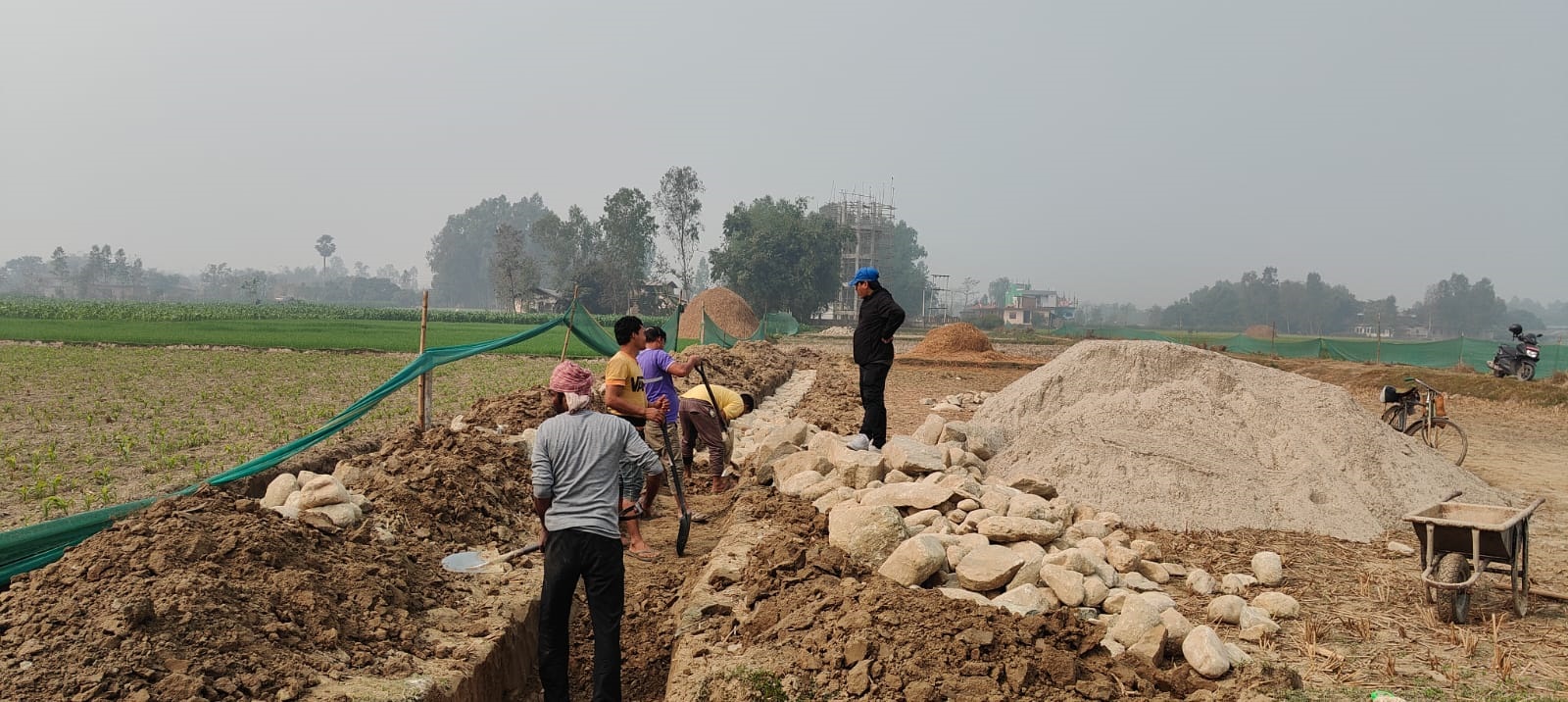
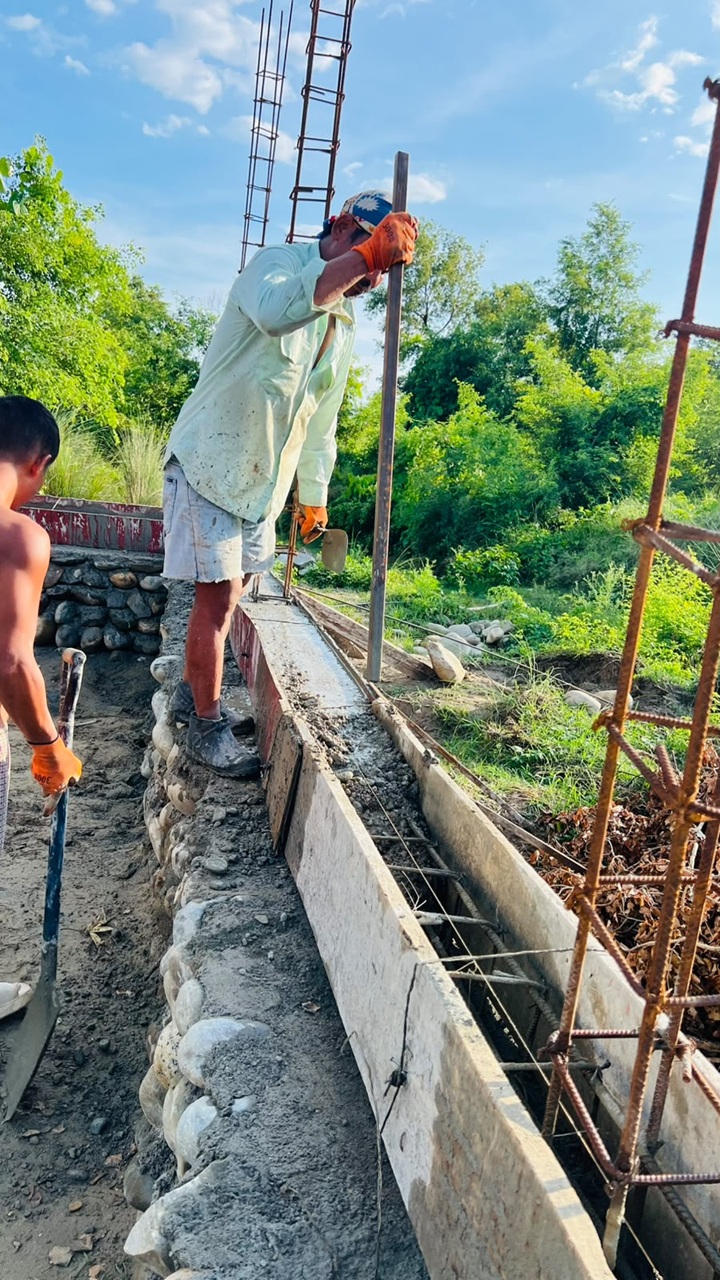
At the same time, the boundary wall is being constructed. Excavation and reinforcement work for the columns have been completed, and concrete casting is currently underway.
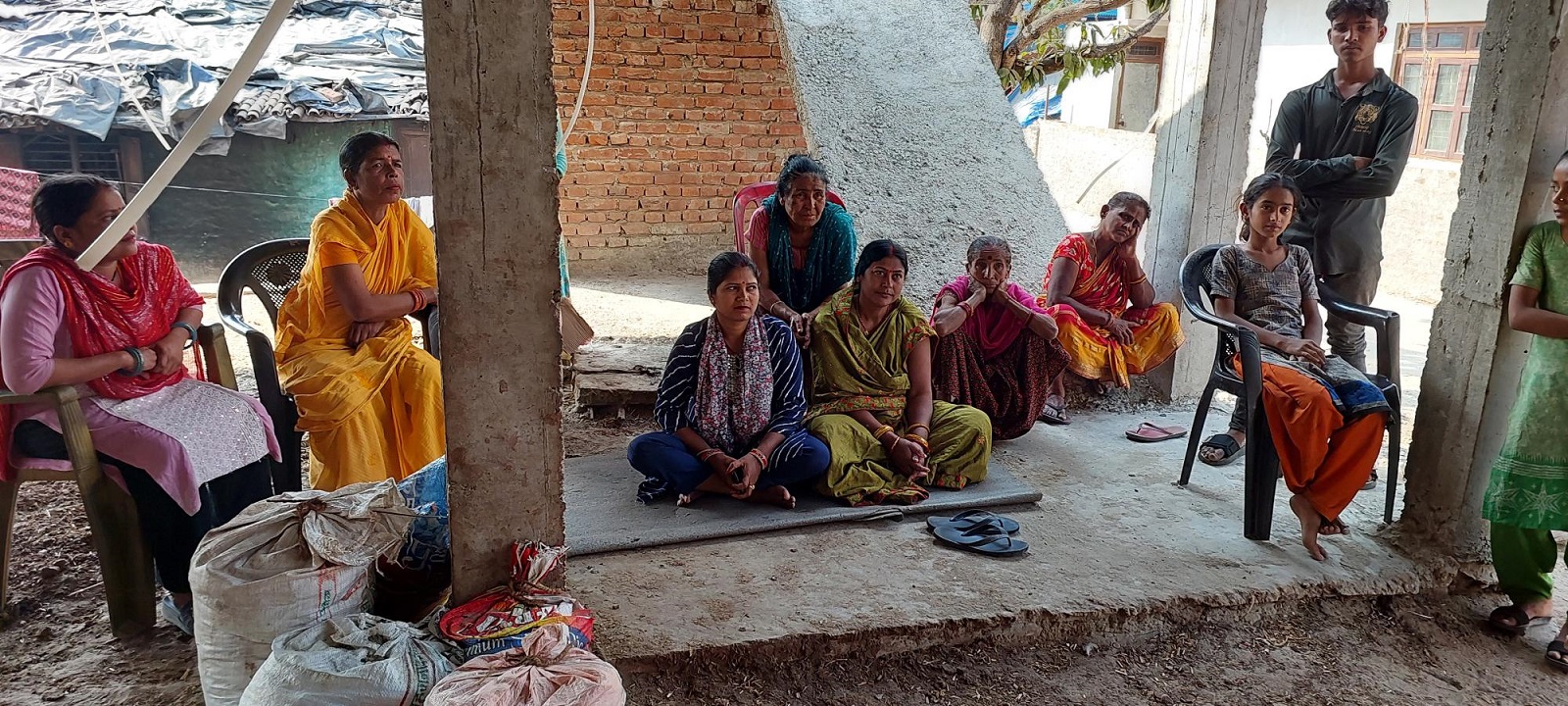
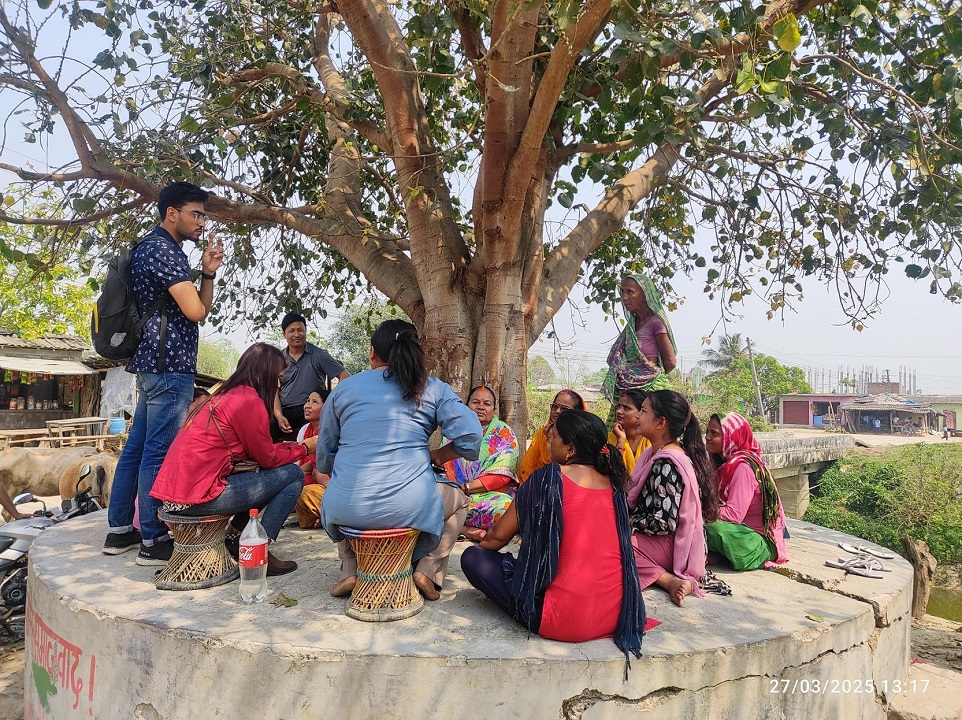
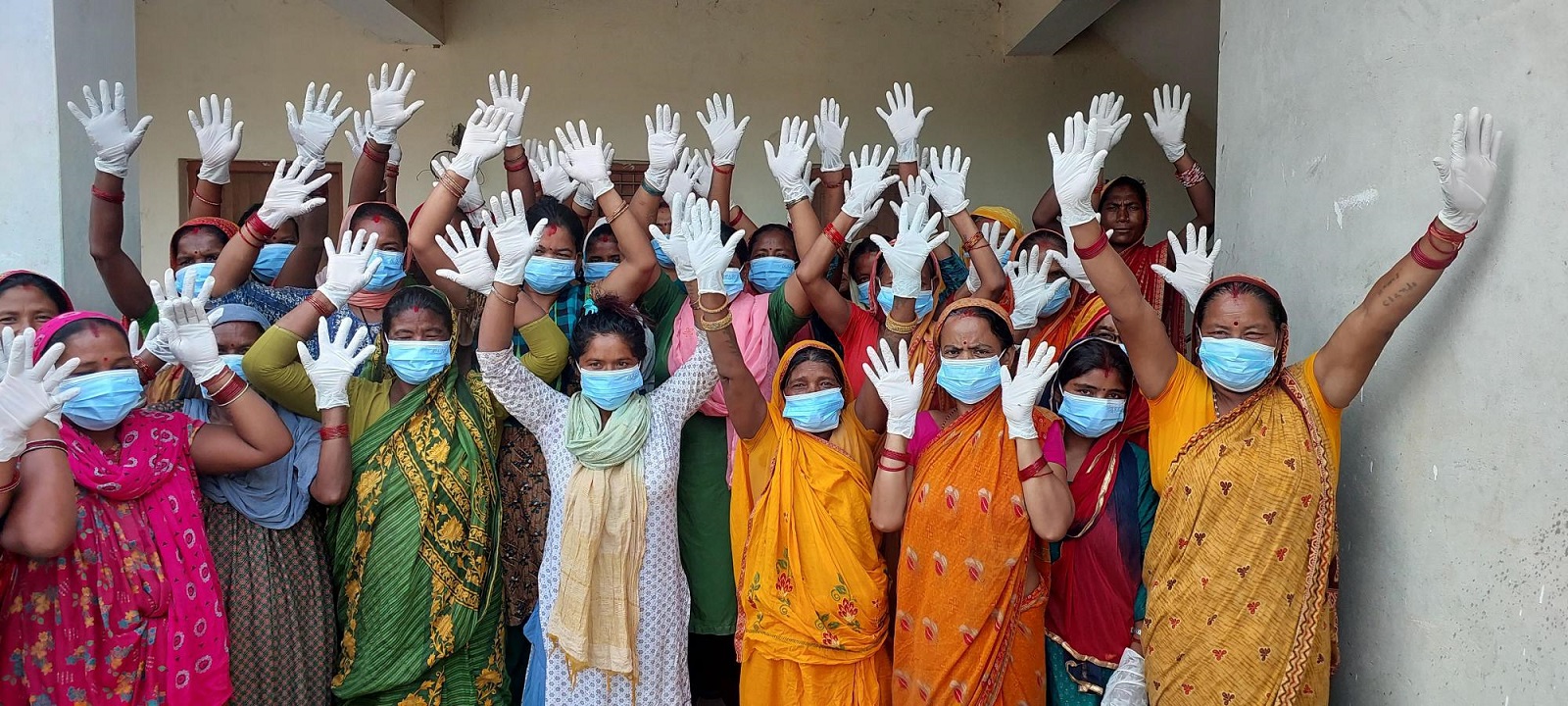
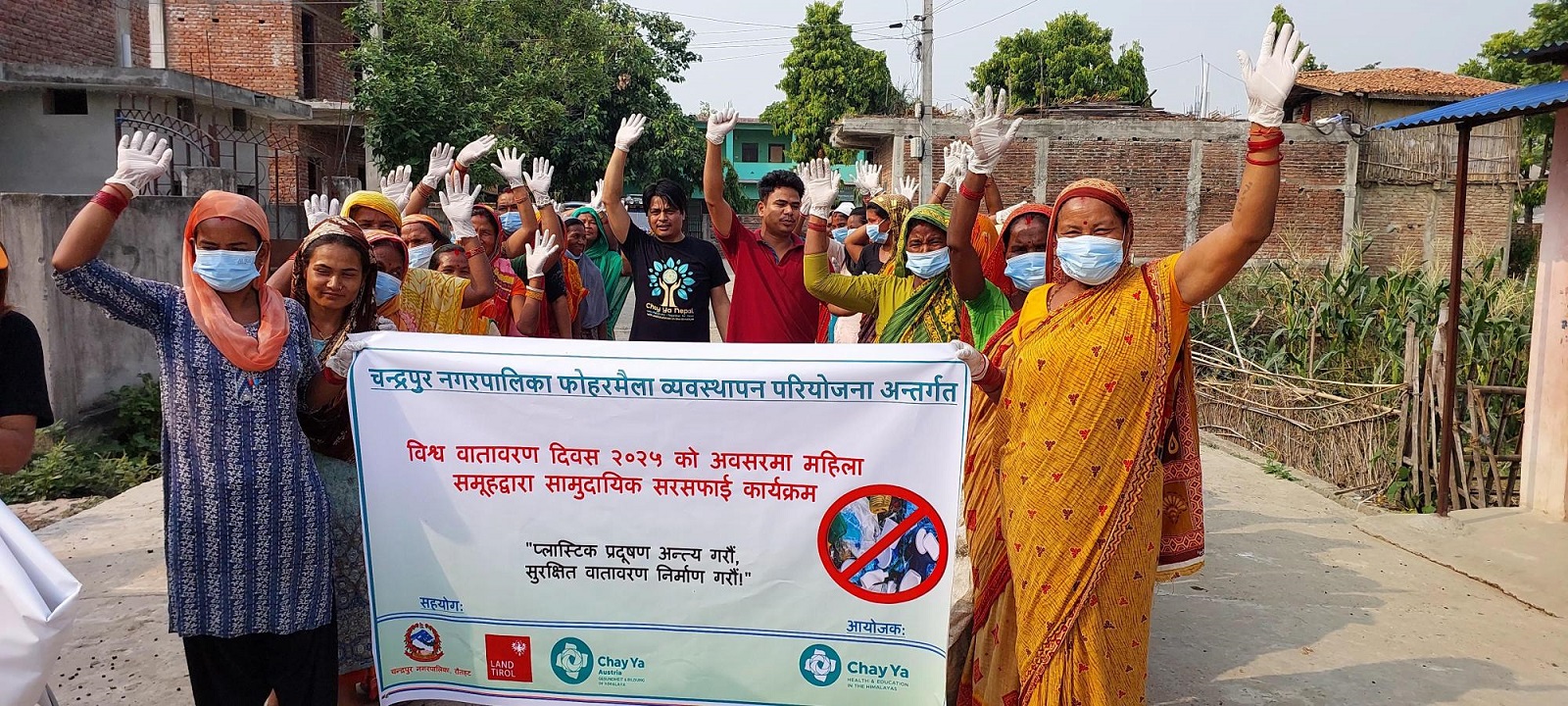
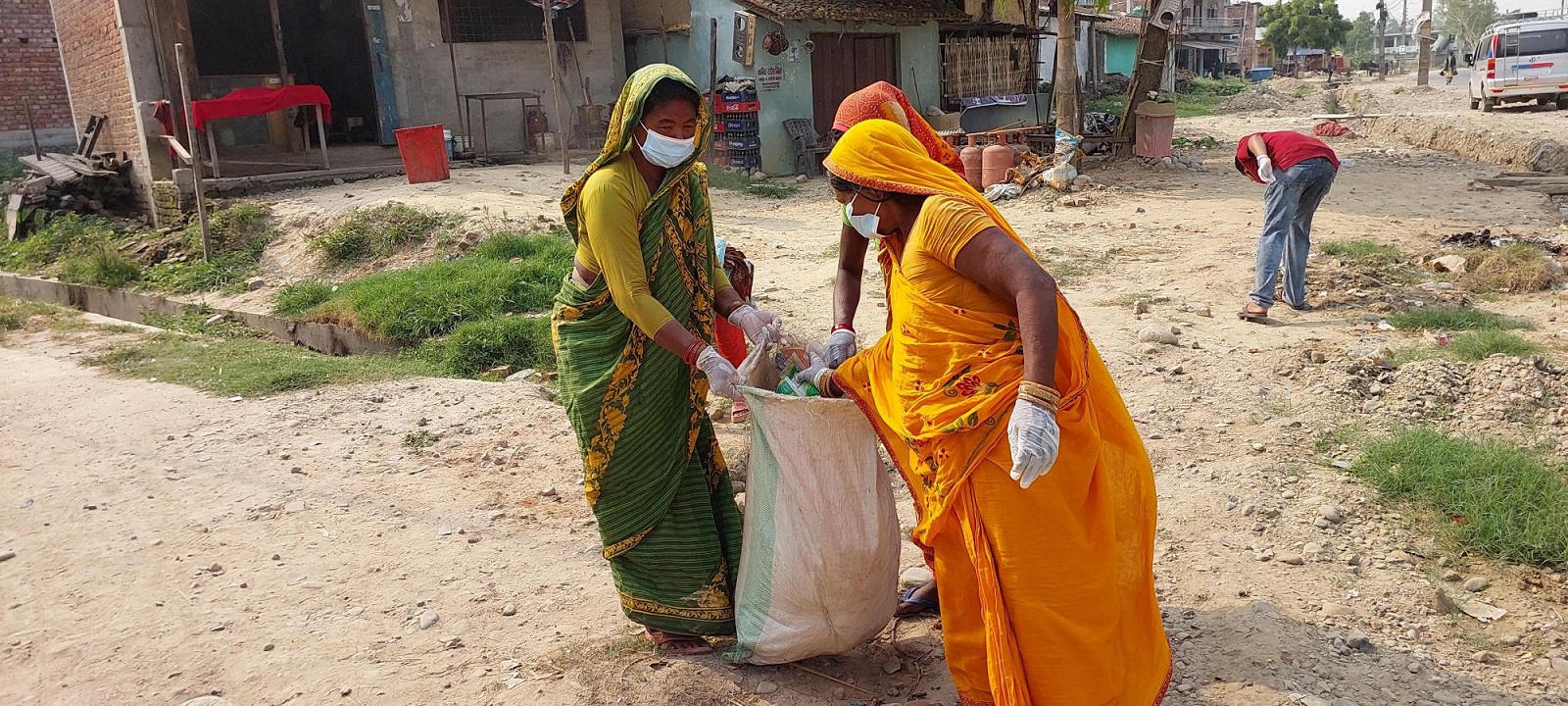
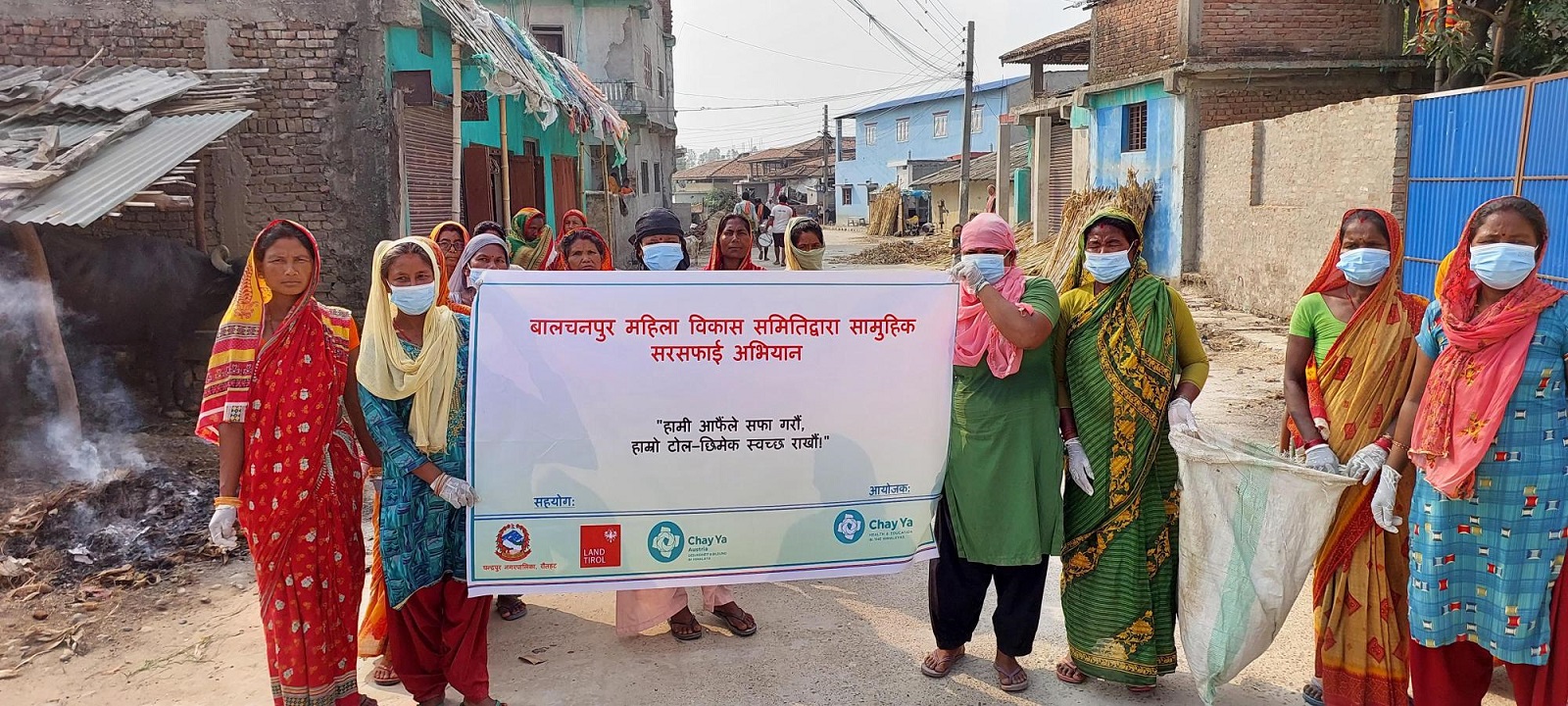
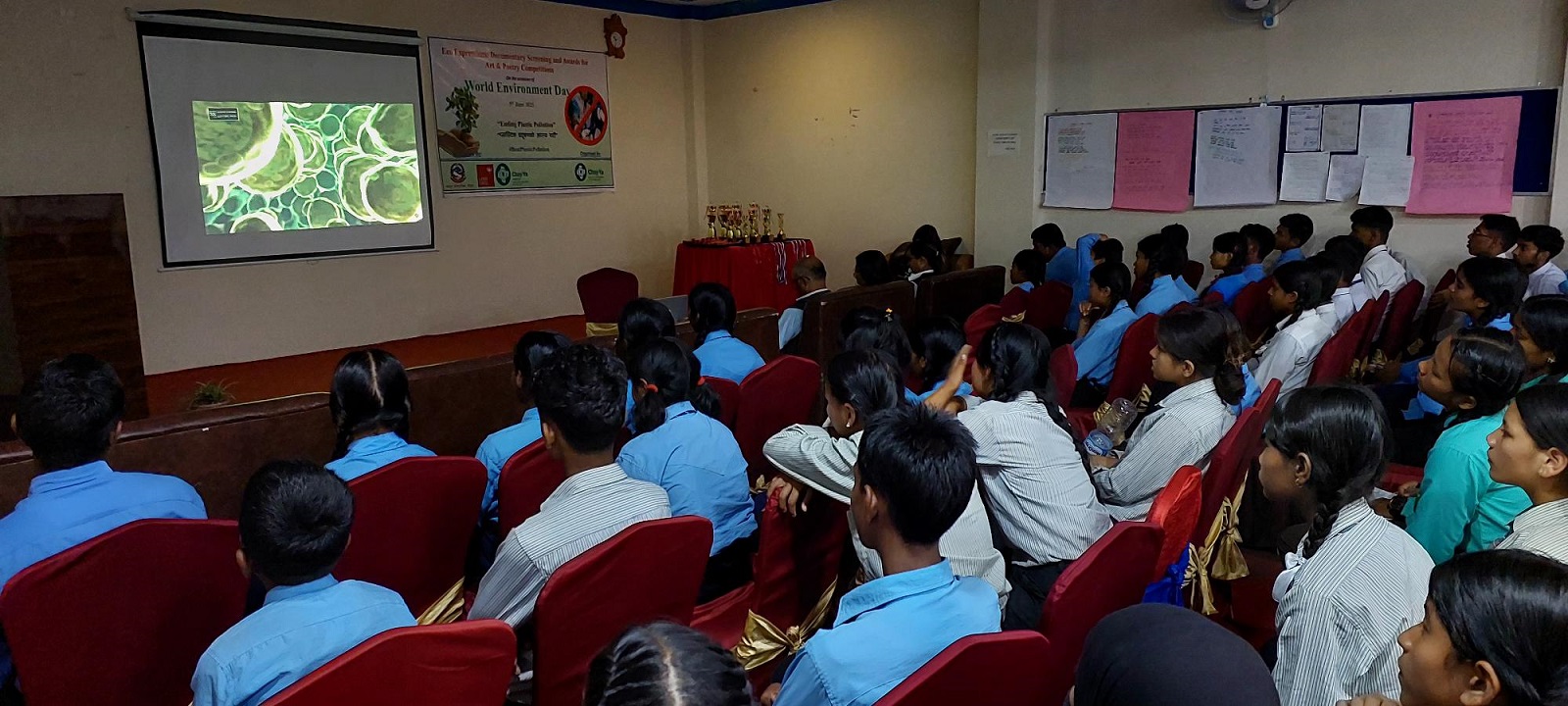
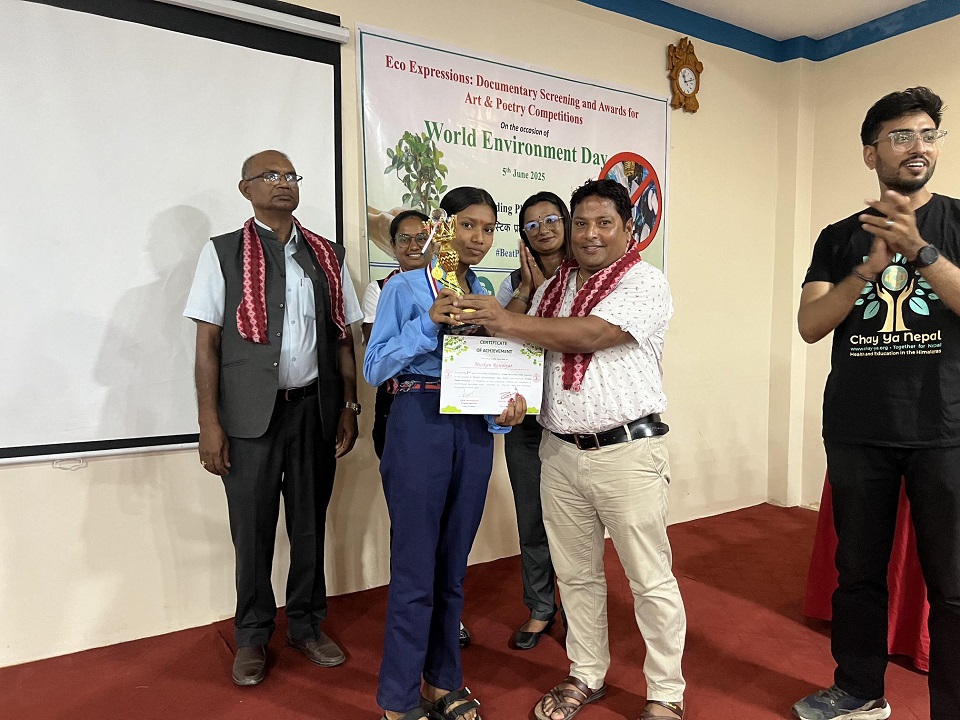
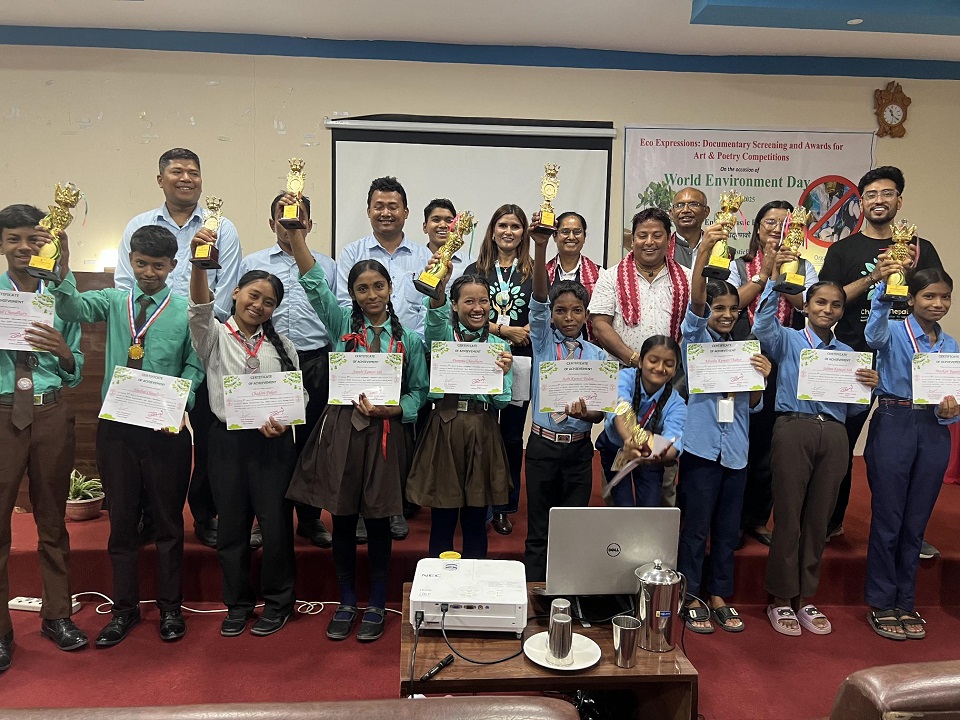
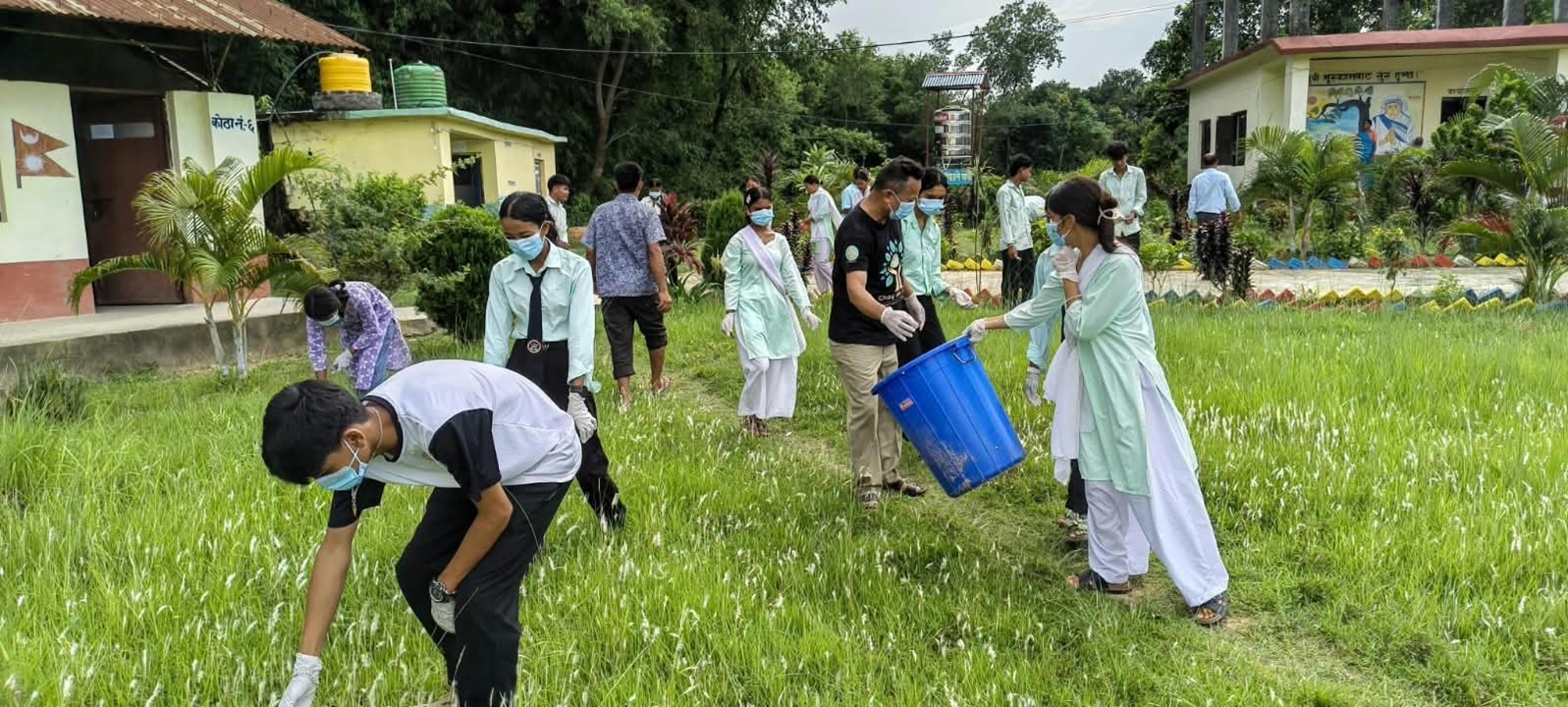
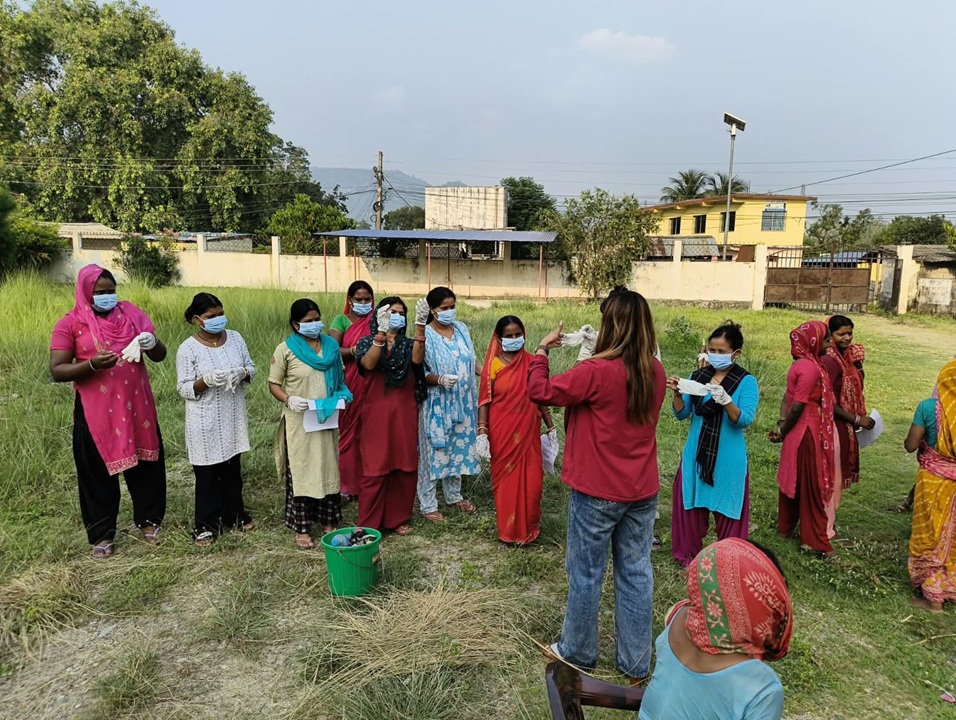
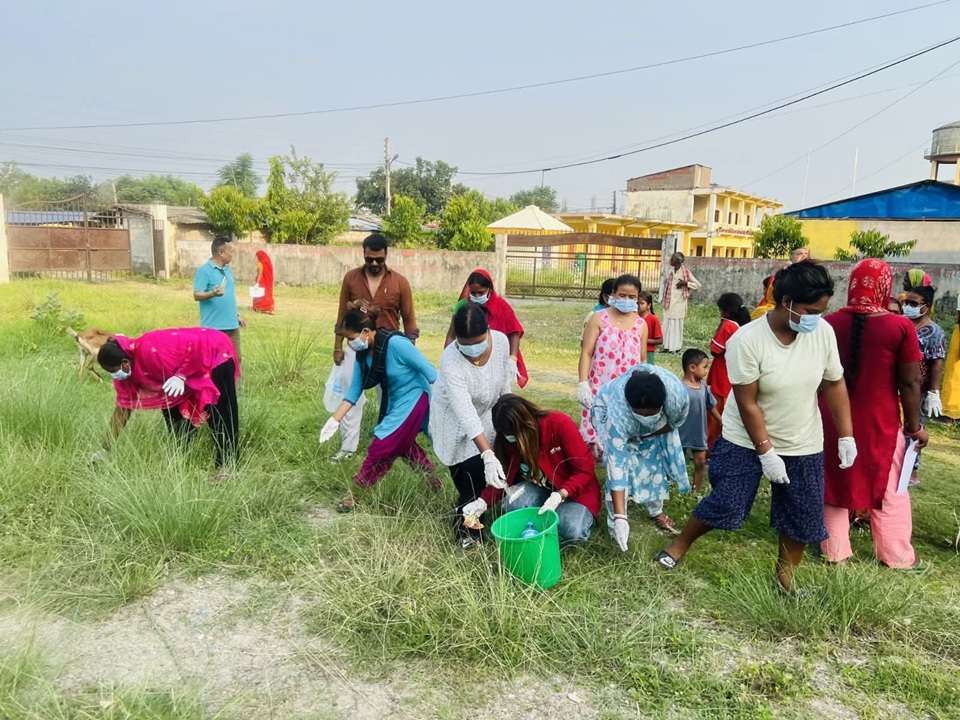
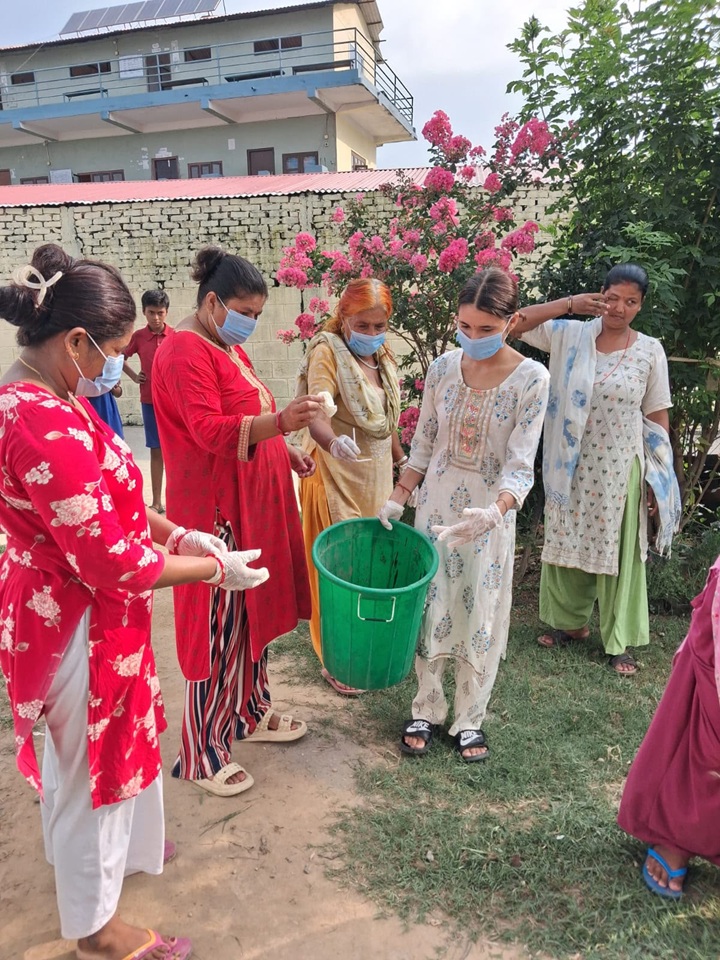
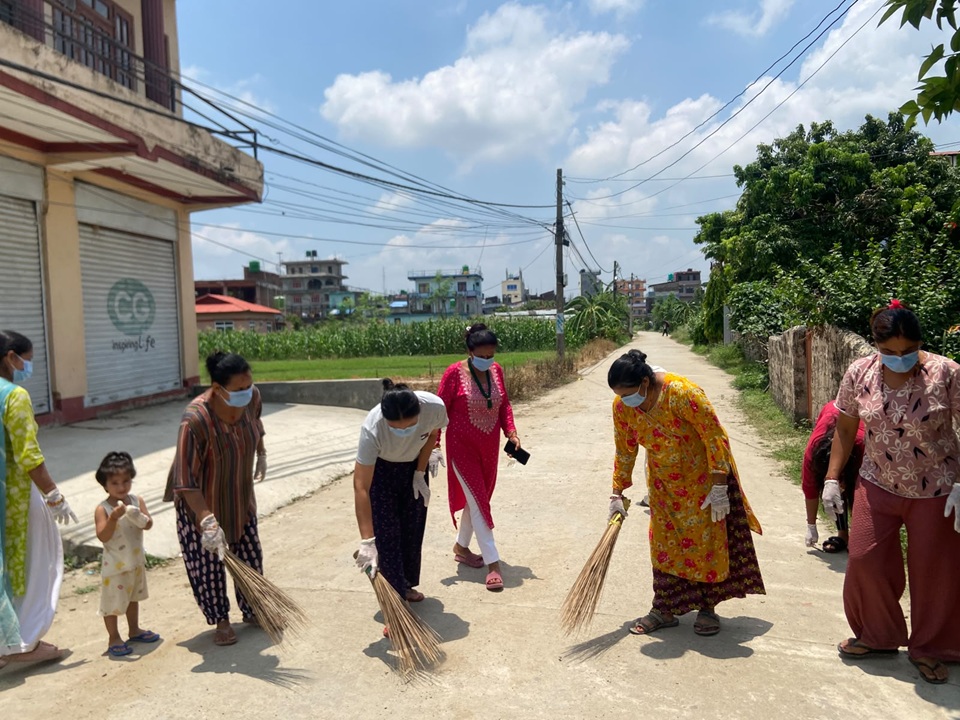
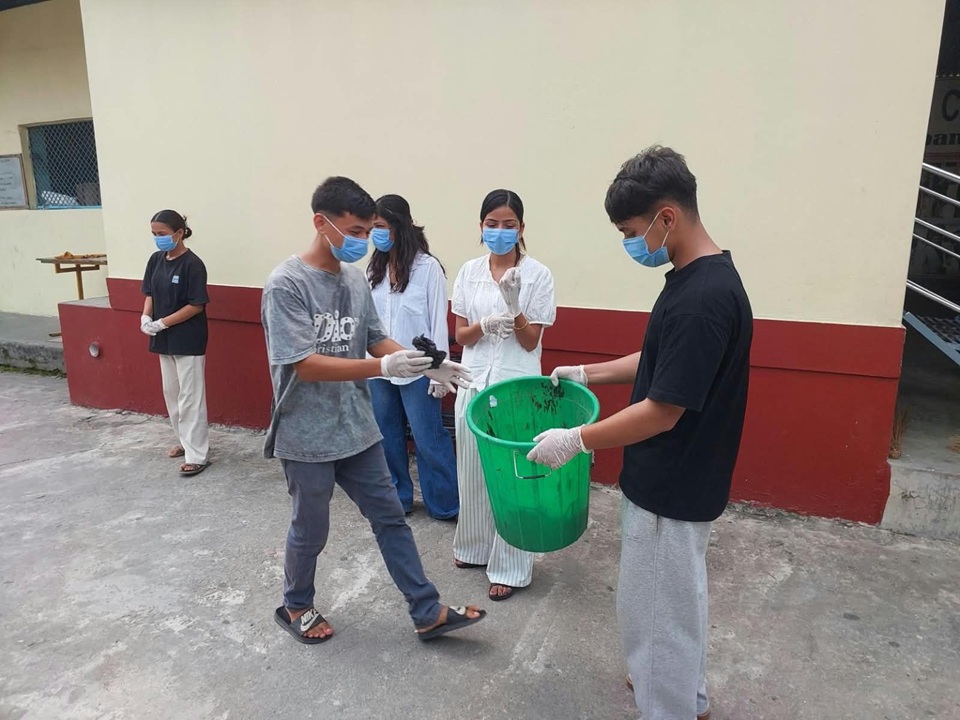
Around World Environment Day in June, various community clean-up activities were organized again. And another women’s group was established, which will actively engage in environmental protection and improving local living conditions in the future.